

Blue Laced Red Wyandotte chickens are one of the most visually striking Wyandotte varieties, admired for their rich red feathers edged with soft blue-gray lacing. While not as common as Silver Laced Wyandottes, Blue Laced Red Wyandottes have grown rapidly in popularity among backyard keepers who value unique coloration paired with the Wyandotte breed’s dependable temperament and cold hardiness.
As a variety within the Wyandotte family, they share the same rounded body type, rose comb, and steady brown egg production. In this guide, we focus specifically on Blue Laced Red Wyandotte chickens while explaining their heritage, coloration genetics, and what to expect when raising them in a backyard flock.
Quick Chick(en) Facts
| Origin | United States |
| Colors | Red with blue-gray lacing |
| Weight | Hens: ~6.5 lb & Roosters: ~8.5 lb |
| Lifespan | 6–8 years |
| Rate of Lay/yr | ~180–240 eggs |
| Egg Size | Large |
| Egg Color | Brown |
| Heat Hardy | Moderate |
| Cold Hardy | Excellent |
| Broodiness | Low to Moderate |
| Disease Susceptibility | Generally hardy |
| Temperament | Calm, confident, friendly |
| Beginner Friendly | Yes |
Quick Jump
- Appearance of Blue Laced Red Wyandotte Chickens
- History of Blue Laced Red Wyandotte Chickens
- Blue Laced Red Wyandotte Chickens for Sale
- Blue Laced Red Wyandotte Egg Laying
- Blue Laced Red Wyandotte Health Issues & Care
- Blue Laced Red Wyandotte Temperament
- Feeding Blue Laced Red Wyandotte Chickens
- Coop & Run Size for Blue Laced Red Wyandottes
- Pros & Cons of Blue Laced Red Wyandotte Chickens
- Blue Laced Red Wyandotte FAQs
Appearance of Blue Laced Red Wyandotte Chickens
Blue Laced Red Wyandottes are prized for their rich mahogany-red feathers outlined with soft blue-gray lacing. Unlike crisp black lacing seen in Silver Laced Wyandottes, blue lacing creates a softer, more muted edge that can vary in intensity from bird to bird.
This variation is due to the blue dilution gene, which affects how black pigment expresses along feather edges. Because of this, color consistency can be less predictable than in Silver Laced birds. Structurally, Blue Laced Red Wyandottes share the same rounded body, dense feathering, and rose comb that define the Wyandotte breed.
History of Blue Laced Red Wyandotte Chickens
The Wyandotte breed was developed in the United States in the late 1800s by crossing several established breeds, including Silver Spangled Hamburgs, Dark Brahmas, and possibly Cochins. These crosses produced a cold-hardy, dual-purpose chicken with a compact body and rose comb.
Blue Laced Red Wyandottes emerged later as breeders selectively worked to combine red feathering with blue lacing. While not part of the original Wyandotte varieties, they have become one of the most sought-after modern color varieties due to their unique appearance.
Blue Laced Red Wyandotte Chickens for Sale
Blue Laced Red Wyandottes are less common than Silver Laced Wyandottes and are often sourced from specialty breeders rather than large hatcheries. Availability may be more limited and seasonal.
Because color quality varies widely, breeder stock is often selected carefully for lacing clarity and body type. Hatchery birds, when available, are usually bred for overall vigor rather than precise coloration.
Blue Laced Red Wyandotte Egg Laying
Blue Laced Red Wyandotte hens are reliable layers, producing approximately 180–240 large brown eggs per year. Their egg production is steady and sustainable, making them well suited for long-term backyard flocks.
Like other Wyandotte varieties, they tend to lay consistently through cooler months due to dense feathering and cold tolerance.
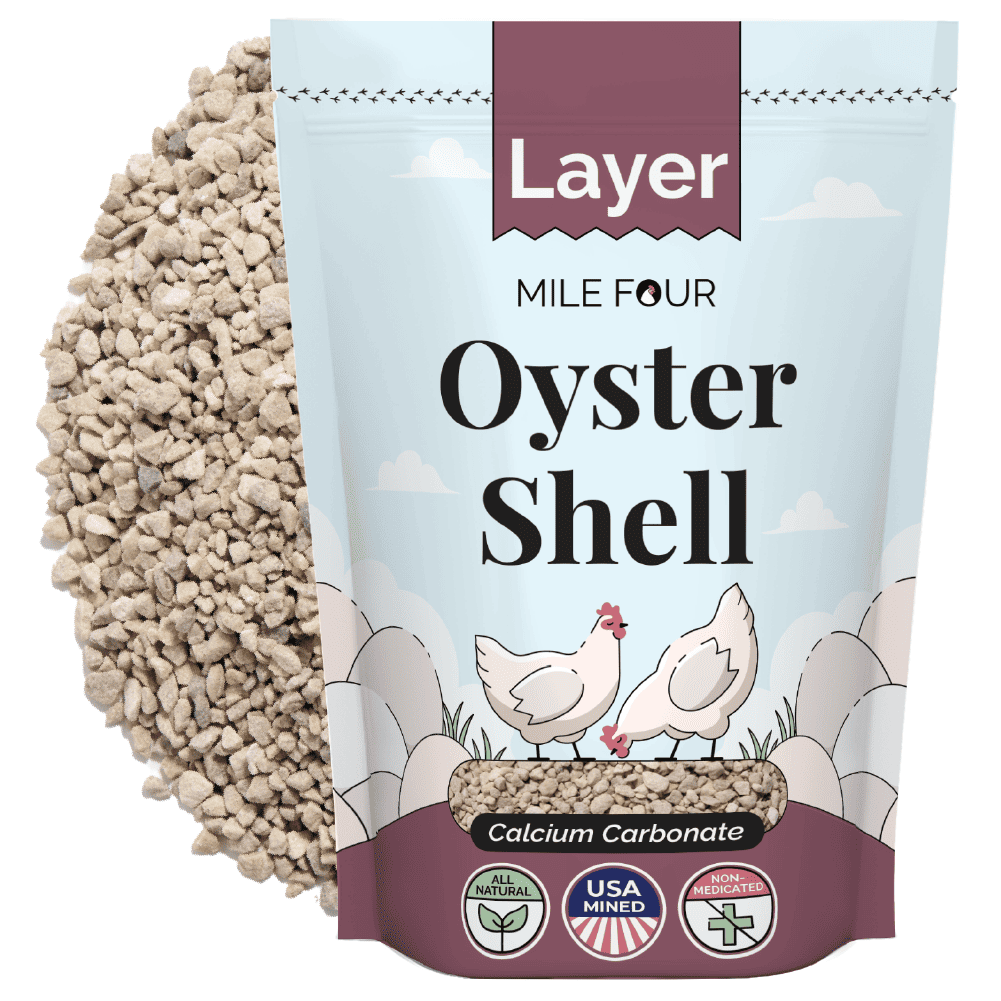
Providing oyster shell free-choice supports shell strength and overall egg quality.
Blue Laced Red Wyandotte Health Issues & Care
Blue Laced Red Wyandottes are generally hardy birds with no known breed-specific health issues. Their moderate size helps reduce joint stress compared to heavier breeds.
They perform exceptionally well in cold climates but may struggle in extreme heat. Shade, ventilation, and cool water are important during hot weather.
Blue Laced Red Wyandotte Temperament
Blue Laced Red Wyandottes are calm, confident, and friendly. They are curious foragers without being overly assertive and usually integrate well into mixed flocks.
They tend to rank in the middle of the pecking order and do best with other calm breeds such as Plymouth Rocks, Orpingtons, and Brahmas.
Feeding Blue Laced Red Wyandotte Chickens
Blue Laced Red Wyandottes thrive on a standard feeding progression, starting with chick starter feed through 8 weeks, followed by grower feed, and then a balanced layer feed once laying begins.
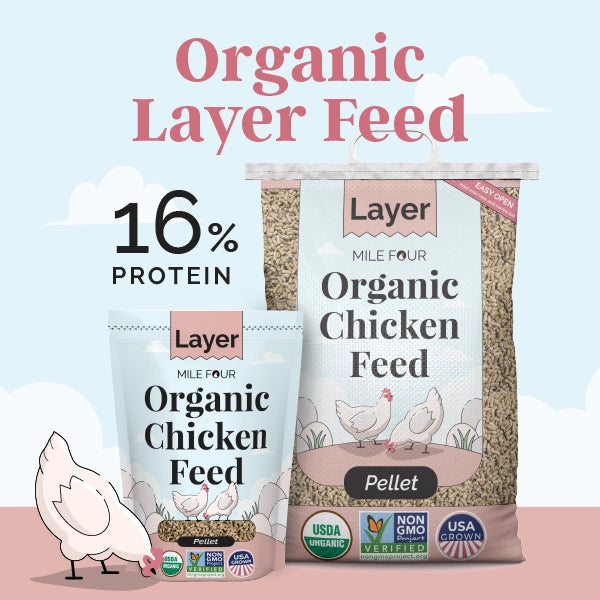
Many keepers prefer USDA-certified Organic, Non-GMO options. Mile Four’s Organic Chicken Feed Kits simplify feeding at every stage, while Organic Layer Feed supports consistent egg production.
Coop & Run Size for Blue Laced Red Wyandottes
Blue Laced Red Wyandottes require approximately 4 square feet per bird inside the coop and 10–15 square feet per bird in the run. They enjoy foraging and benefit from outdoor access.
Standard roosts and nesting boxes work well. Their rounded bodies and moderate size make them adaptable to most backyard setups.
Pros & Cons of Blue Laced Red Wyandotte Chickens
| Pros | Cons |
|---|---|
| Unique, eye-catching plumage | Color consistency varies by line |
| Cold hardy with rose comb | Less common than Silver Laced Wyandottes |
| Calm, friendly temperament | Heat tolerance is moderate |
| Reliable brown egg production | Often more expensive from breeders |
Blue Laced Red Wyandotte FAQs
Are Blue Laced Red Wyandottes good for beginners?
Yes. Their calm temperament and hardiness make them suitable for beginners.
Why does the lacing color vary so much?
The blue dilution gene causes variability in feather edge color, making uniform lacing harder to achieve.
Do Blue Laced Red Wyandottes lay eggs in winter?
Yes. They typically continue laying during colder months.
Are Blue Laced Red Wyandottes rare?
They are less common than Silver Laced Wyandottes and are often sourced from specialty breeders.
How do they compare to Silver Laced Wyandottes?
They share temperament and productivity, with the main difference being feather coloration and availability.
Wyandottes keep laying steadily through the cooler months, and that kind of consistent output leans on strong calcium reserves. Mile Four Oyster Shell helps keep those shells strong → Discover Organic Oyster Shell.
Sources
American Poultry Association, Standard of Perfection.
Wyandotte Breeders of America Club reference materials.
Penn State Extension, backyard poultry management publications.
University of Minnesota Extension, poultry breed and egg production resources.