
Light Brahma chickens are one of the most iconic and recognizable large chicken varieties, known for their striking white-and-black plumage, massive size, and exceptionally calm temperament. As a variety of the Brahma breed, Light Brahmas share the same cold-hardiness and gentle nature that earned Brahmas the nickname “gentle giants.”
Light Brahmas were among the first standardized Brahma varieties and remain the most widely kept today. In this guide, we focus specifically on Light Brahma chickens while also explaining how they compare to other Brahma varieties and what makes them such a reliable choice for cold climates and backyard flocks.
Quick Chick(en) Facts
| Origin | United States (from Asian imports) |
| Colors | White body with black hackles, tail, and wing tips |
| Weight | Hens: ~9.5 lb & Roosters: ~12 lb |
| Lifespan | 5–8 years |
| Rate of Lay/yr | ~150–200 eggs |
| Egg Size | Large to Extra Large |
| Egg Color | Brown |
| Heat Hardy | Low to Moderate |
| Cold Hardy | Excellent |
| Broodiness | Moderate |
| Disease Susceptibility | Generally hardy; monitor leg health |
| Temperament | Very calm, gentle, steady |
| Beginner Friendly | Yes (with space) |
Quick Jump
- Appearance of Light Brahma Chickens
- History of Light Brahma Chickens
- Light Brahma Chickens for Sale
- Light Brahma Egg Laying
- Light Brahma Health Issues & Care
- Light Brahma Temperament
- Feeding Light Brahma Chickens
- Coop & Run Size for Light Brahmas
- Pros & Cons of Light Brahma Chickens
- Light Brahma FAQs
Appearance of Light Brahma Chickens
Light Brahmas are instantly recognizable by their crisp white bodies contrasted with black hackle striping, black tails, and black accents on the wings. This sharp color pattern makes them one of the most visually striking large chickens commonly kept in backyard flocks.
Like all Brahmas, they have broad bodies, heavy bone structure, feathered legs, and pea combs. The pea comb is a functional trait that reduces frostbite risk, reinforcing the breed’s reputation for cold-weather performance. Compared to Buff Brahmas, Light Brahmas have a more dramatic, high-contrast appearance while maintaining the same substantial build.
History of Light Brahma Chickens
The Brahma breed was developed in the United States during the mid-19th century using large Asian fowl imported through Chinese trade routes. These birds, often referred to as Shanghai chickens, were valued for their size, feathering, and ability to withstand harsh winters.
Light Brahmas were among the first Brahma varieties to be standardized and played a major role in the breed’s rise to prominence. During the “Hen Fever” period of the 1800s, Light Brahmas were exported to Europe and became symbols of poultry excellence. Their popularity helped cement the Brahma as a cornerstone of American poultry breeding.
Light Brahma Chickens for Sale
Light Brahmas are widely available through hatcheries and are often the most common Brahma variety offered. They are typically available during spring chick season, with some hatcheries offering them for extended periods.
Birds from specialty breeders often show heavier feathering and more defined markings, while hatchery birds are bred for overall vigor and temperament. Both make excellent backyard chickens, depending on whether appearance or practicality is the priority.
Light Brahma Egg Laying
Light Brahma hens are moderate layers, producing approximately 150–200 large to extra-large brown eggs per year. Their laying pace is steady rather than fast, which helps reduce physical strain compared to high-production hybrids.
One of their standout traits is winter laying. Thanks to their dense feathering and cold tolerance, Light Brahmas often continue producing eggs during colder months when many breeds slow down.
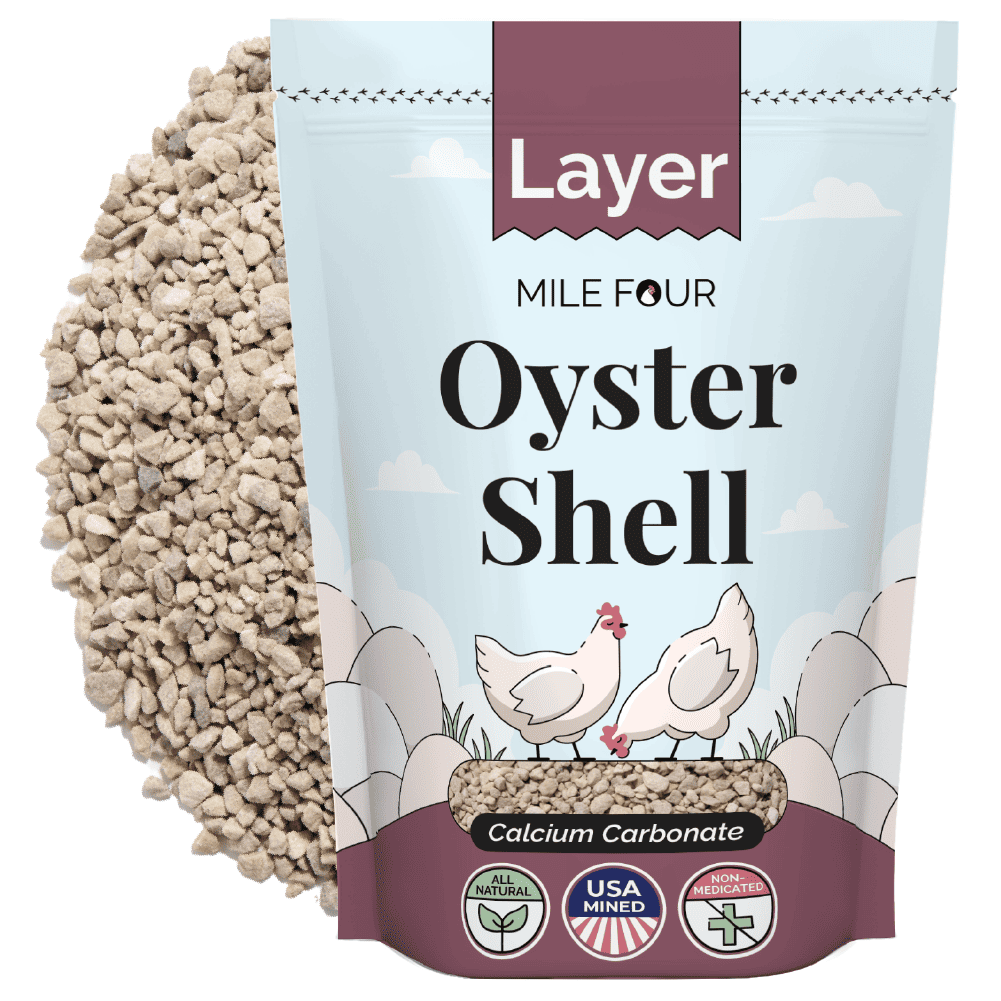
Providing oyster shell free-choice supports shell strength, especially during winter production.
Light Brahma Health Issues & Care
Light Brahmas are generally hardy, but their large size means joint health and footing should be considered carefully. Soft, dry bedding helps reduce stress on hips and legs, particularly as birds age.
They tolerate cold extremely well but struggle more in hot, humid conditions. In warm climates, proper ventilation, shade, and constant access to cool water are essential to prevent heat stress.
Light Brahma Temperament
Light Brahmas are known for their calm, steady, and friendly demeanor. They are slow-moving and tolerant, making them easy to manage even for first-time chicken keepers.
They tend to rank low in the pecking order and are rarely aggressive. Their gentle nature makes them compatible with other calm breeds such as Orpingtons, Cochins, and Faverolles.
Feeding Light Brahma Chickens
Light Brahmas benefit from a standard feeding progression: starter feed through 8 weeks, grower feed during adolescence, and a balanced layer feed once laying begins.
Because of their size, portion control is important to avoid excess weight. Many keepers prefer USDA-certified Organic, Non-GMO options. Mile Four’s Organic Chicken Feed Kits simplify feeding at each stage, while Organic Layer Feed supports steady egg production without unnecessary fillers.
Coop & Run Size for Light Brahmas
Light Brahmas require more space than average chickens. Provide at least 5–6 square feet per bird inside the coop and 15–20 square feet per bird in the run.
Roosts should be wide and set low to accommodate their weight and reduce the risk of leg injuries. Nesting boxes should be slightly larger than standard to comfortably fit these large hens.
Pros & Cons of Light Brahma Chickens
| Pros | Cons |
|---|---|
| Extremely calm and easy to handle | Require more space than average breeds |
| Excellent cold hardiness | Low heat tolerance |
| Reliable winter egg production | Slower growth and maturity |
| Striking appearance | Higher feed consumption |
Light Brahma FAQs
Are Light Brahmas good for beginners?
Yes. Their gentle temperament and hardiness make them suitable for beginners with adequate space.
How do Light Brahmas differ from Buff Brahmas?
They share the same size and temperament, with the primary difference being feather color.
Do Light Brahmas lay eggs in winter?
Yes. They are known for laying reliably through colder months.
Are Light Brahmas good meat birds?
They were originally bred as dual-purpose birds, though they mature slowly compared to modern meat hybrids.
Can Light Brahmas handle hot climates?
They tolerate mild heat but require shade, ventilation, and plenty of water in warm regions.
Light Brahmas keep laying right through the colder months, and that kind of winter output leans hard on calcium reserves. Mile Four Oyster Shell helps keep those shells strong → Discover Organic Oyster Shell.
Sources
American Poultry Association, Standard of Perfection.
Brahma Club of America breed reference materials.
University of Minnesota Extension, cold-hardy poultry breed publications.
Penn State Extension, backyard poultry management resources.