

Salmon Faverolles chickens are a uniquely charming and highly practical breed, known for their fluffy beards, gentle personalities, and cold-hardy nature. Originally developed in France, Salmon Faverolles were bred as a dual-purpose chicken suited for both egg production and table use, while remaining calm and easy to manage. Today, they are especially popular among backyard keepers looking for a friendly, family-oriented breed that thrives in colder climates
In this guide, we focus on Salmon Faverolles specifically while also explaining how they fit within the broader Faverolles breed family, helping you understand what makes them such a distinctive and rewarding addition to a backyard flock.
Quick Chick(en) Facts
| Origin | France (Faverolles region) |
| Colors | Salmon (hens), black, white, blue varieties exist |
| Weight | Hens: ~6.5 lb & Roosters: ~8 lb |
| Lifespan | 5–8 years |
| Rate of Lay/yr | ~180–220 eggs |
| Egg Size | Medium to Large |
| Egg Color | Light brown to tinted |
| Heat Hardy | Moderate |
| Cold Hardy | Excellent |
| Broodiness | Low to Moderate |
| Disease Susceptibility | Generally hardy; watch foot feathering |
| Temperament | Very gentle, friendly, docile |
| Beginner Friendly | Yes |
Quick Jump
- Appearance of Salmon Faverolles Chickens
- History of Salmon Faverolles Chickens
- Salmon Faverolles Chickens for Sale
- Salmon Faverolles Egg Laying
- Salmon Faverolles Health Issues & Care
- Salmon Faverolles Temperament
- Feeding Salmon Faverolles
- Coop & Run Size for Salmon Faverolles
- Pros & Cons of Salmon Faverolles Chickens
- Salmon Faverolles FAQs
Appearance of Salmon Faverolles Chickens
Salmon Faverolles are easily recognized by their fluffy beards, full muffs, feathered legs, and distinctive five-toed feet. Hens display soft salmon-pink breasts with creamy white bodies, while roosters are dramatically different, showing black breasts, white hackles, and dark tails. This strong sexual dimorphism is one of the breed’s most interesting visual traits.
Their rounded bodies and heavy feathering give them a plush, almost comical appearance. Compared to other bearded breeds like Easter Eggers or Houdans, Salmon Faverolles are noticeably bulkier and more cold adapted, with feathering designed to insulate rather than decorate.
History of Salmon Faverolles Chickens
Salmon Faverolles originated in the village of Faverolles in north-central France during the late 1800s. They were developed by crossing several breeds, including Houdans, Cochins, Dorkings, and Brahmas, with the goal of creating a productive, cold-hardy dual-purpose chicken.
The Salmon color variety became the most widely recognized and remains the most popular today. While other Faverolles colors exist, Salmon Faverolles gained favor for their calm temperament, winter laying ability, and suitability for small farm conditions. Their French heritage explains both their heavy feathering and their excellent performance in colder climates.
Salmon Faverolles Chickens for Sale
Salmon Faverolles are commonly available through hatcheries, especially during spring chick season. They are also frequently offered by specialty breeders who focus on maintaining correct coloration and breed type. Hatchery birds generally make friendly backyard chickens, though exhibition-quality features may be less pronounced.
Compared to other Faverolles varieties, Salmon Faverolles are by far the easiest to find. Their popularity has grown steadily due to their gentle nature and family-friendly reputation, making them a frequent recommendation for beginners.
Salmon Faverolles Egg Laying
Salmon Faverolles are reliable layers, producing around 180–220 medium to large light brown or tinted eggs per year. They are especially valued for their ability to continue laying through colder months when many breeds slow down.
While not as prolific as commercial hybrids, they offer a good balance of production and personality. Eggshell strength is generally good, though consistent nutrition helps support winter laying.
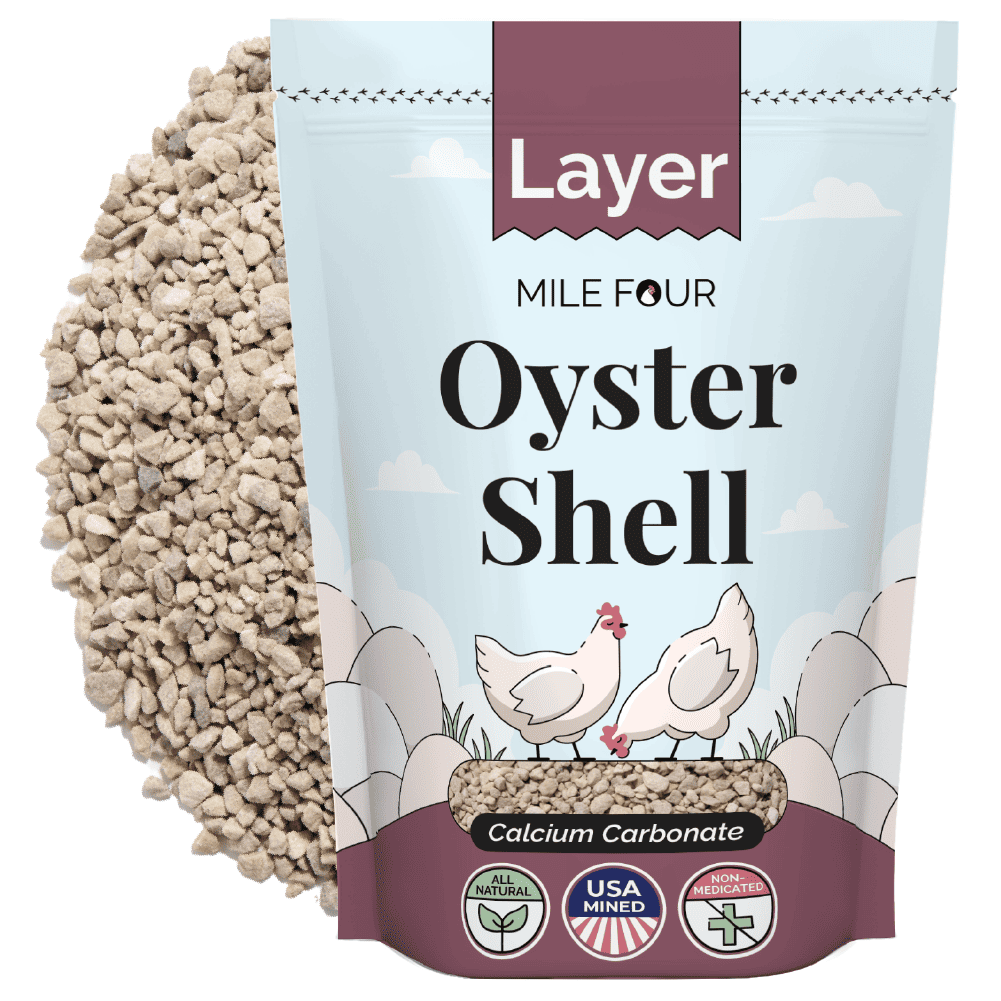
Providing oyster shell free-choice can help maintain shell quality, particularly during peak laying periods.
Salmon Faverolles Health Issues & Care
Salmon Faverolles are hardy birds with few breed-specific health problems. Their heavy feathering makes them well suited to cold climates, but extra attention should be paid to keeping foot feathering clean and dry, especially in wet or muddy environments.
Because of their docile nature, they can sometimes be bullied by more assertive breeds. Providing adequate space and monitoring flock dynamics helps prevent stress-related issues.
Salmon Faverolles Temperament
Salmon Faverolles are among the gentlest chicken breeds available. They are known for their friendly, calm demeanor and are often recommended for families with children. Many become quite tame and tolerate handling well.
They tend to rank low in the pecking order and do best when housed with other calm breeds such as Cochins, Brahmas, or Orpingtons. Their quiet, easygoing nature makes them ideal for suburban or backyard settings.
Feeding Salmon Faverolles
Salmon Faverolles do well on a standard feeding program, starting with chick starter feed through 8 weeks, transitioning to grower feed, and then moving to a balanced layer feed once egg production begins.
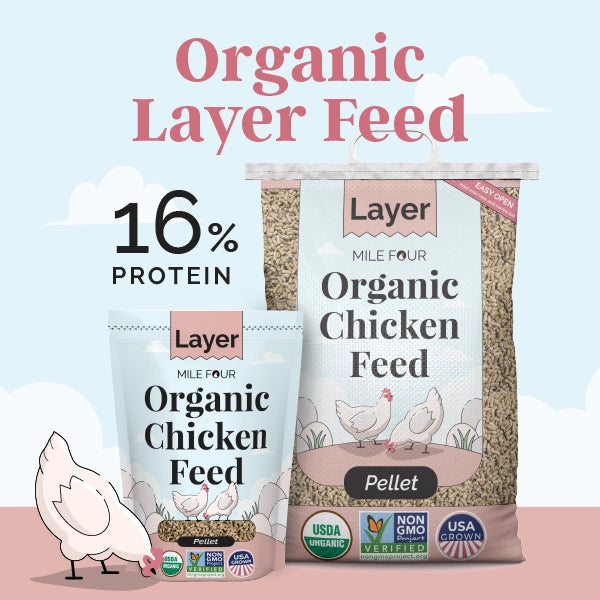
Many keepers prefer USDA-certified Organic, Non-GMO options. Mile Four’s Organic Chicken Feed Kits simplify feeding by matching nutrition to each growth stage.
Coop & Run Size for Salmon Faverolles
Salmon Faverolles require at least 4 square feet per bird inside the coop and 10–15 square feet per bird in the run. Due to their feathered legs, dry, well-drained ground is especially important.
Lower roosts are recommended, as their heavier bodies and feathered feet make jumping from high perches more difficult. Standard nesting boxes work well and should be kept clean and dry.
Pros & Cons of Salmon Faverolles Chickens
| Pros | Cons |
|---|---|
| Extremely gentle and family friendly | Can be bullied by assertive breeds |
| Cold hardy and good winter layers | Foot feathering requires dry conditions |
| Unique appearance with beards and five toes | Not a high-production egg layer |
| Great choice for beginners | Heat tolerance is only moderate |
Salmon Faverolles FAQs
Are Salmon Faverolles good for families?
Yes. They are one of the most gentle and people-friendly chicken breeds, making them excellent for households with children.
Do Salmon Faverolles lay eggs in winter?
Yes. They are known for continuing to lay during colder months when many breeds slow down.
Why do Salmon Faverolles have five toes?
The five-toed trait comes from breeds like Dorkings used in their development and is a defining breed characteristic.
Can Salmon Faverolles live with other chickens?
Yes, but they do best with calm, non-aggressive breeds due to their docile nature.
Are Salmon Faverolles heat tolerant?
They tolerate moderate heat but need shade, ventilation, and fresh water in hot climates due to their heavy feathering.
Salmon Faverolles keep laying through the coldest months when most breeds slow way down, and that kind of winter output leans hard on calcium. Mile Four Oyster Shell keeps their eggshells strong all season → Discover Organic Oyster Shell.
Sources
American Poultry Association, Standard of Perfection
Faverolles Club of America breed reference materials
British Faverolles Club historical breed documentation
University of Minnesota Extension, cold-hardy poultry breed publications
Penn State Extension, backyard poultry management resources