


Wyandotte chickens are one of the great American heritage breeds—dependable, strikingly beautiful, and famously easy to keep. Their full, rounded bodies and intricate laced plumage make them look like living works of art, but their practical value is just as impressive: Wyandottes are cold-hardy, consistent layers, calm around people, and adaptable in nearly any coop setup.
Originally developed in the late 1800s, they became staples on family farms thanks to their steady brown eggs and dual purpose build. Today, they remain a favorite for backyard flocks, homesteads, and show exhibitors alike.
This guide covers everything you need to know: appearance, history, availability, egg production, health considerations, temperament, feeding, housing, pros & cons, and FAQs—helping you decide if this iconic American breed is the right fit for your flock.

Quick Chick(en) Facts
| Origin | United States (late 1800s) |
| Colors | Silver Laced, Gold Laced, Blue Laced Red, Columbian, Buff & more |
| Weight | Hens: ~6.5 lb & Roosters: ~8.5 lb |
| Lifespan | 5–8 years |
| Rate of Lay/yr | ~200–240 eggs; steady layers |
| Egg Size | Large |
| Egg Color | Brown |
| Heat Hardy | Moderate; needs shade |
| Cold Hardy | Excellent; rose comb |
| Broodiness | Moderate |
| Disease Susceptibility | Generally hardy; watch weight |
| Temperament | Calm, confident, easygoing |
| Beginner Friendly | Yes |
Quick Jump
Chapter 2: History of Wyandotte Chickens
Chapter 3: Wyandotte Chickens for Sale
Chapter 4: Wyandotte Egg Laying
Chapter 5: Wyandotte Health Issues & Care
Chapter 6: Wyandotte Temperament
Chapter 7: Feeding Wyandotte
Chapter 8: Coop & Run Size for Wyandotte
Chapter 9: Pros & Cons of Wyandotte Chickens
Chapter 10: Wyandotte FAQs
› FAQs
Chapter 1: Appearance of Wyandotte Chickens
Wyandottes are round, full-bodied birds with soft curves, broad backs, and abundant plumage that gives them a plush, well-feathered appearance. Their rose combs sit low and close to the head, making them extremely winter-hardy. One of their most recognizable features is their intricate laced feather pattern—each feather outlined in contrasting color—which creates a dramatic, crisp look in the sunlight. They carry themselves with calm confidence, moving with steady, deliberate steps rather than frantic flapping.
Their overall appearance is both practical and ornamental: hardy farm birds with show-quality beauty.
Size
Wyandottes are medium-heavy birds with a strong dual purpose build. Their weight gives them presence in the yard, and they tend to be sturdy on their feet, even in snowy climates. Their heavier frames help them conserve heat, and they handle cold far better than most Mediterranean breeds.
Colors
Wyandottes come in an impressive range of APA-recognized colors, but Silver Laced and Gold Laced are the most iconic. Other varieties—like Blue Laced Red or Buff—remain popular among hobbyists and show breeders. Each color variety retains the classic Wyandotte “laced” patterning, making the breed one of the most consistently beautiful in the poultry world.
Chapter 2: History of Wyandotte Chickens
Wyandottes were developed in the United States in the late 1800s as a practical dual purpose bird. Their exact background includes influences from Brahmas, Hamburgs, and possibly Dark Cornish—breeds known for strong carcass quality and attractive coloration. The goal was simple: create an all-purpose American chicken that laid well, grew well, and handled cold winters with ease.
The first recognized variety was the Silver Laced Wyandotte, quickly followed by additional color patterns. By the early 1900s, Wyandottes had become one of the most widespread farm breeds in the country, valued for their reliability and versatility.
Chapter 3: Wyandotte Chickens for Sale
Wyandottes are widely available through most hatcheries during chick season, typically spanning late winter through fall. Their popularity ensures reliable annual availability, and many hatcheries offer multiple color varieties, especially Silver Laced, Gold Laced, and Blue Laced Red.
Breeder-quality Wyandottes often show tighter lacing, more pronounced body shape, and richer coloring than hatchery lines. If you’re seeking show standard birds, a dedicated breeder is your best source. For backyard flocks, hatchery Wyandottes are hardy, friendly, and easy to raise.
Chapter 4: Wyandotte Egg Laying
Wyandotte hens lay around 200–240 large brown eggs per year. They are extremely consistent layers, especially through cold months when other breeds taper off. Their rose comb gives them an advantage in winter, allowing them to continue producing when single-combed breeds may slow down due to frostbite or stress.

They typically reach point of lay around 20–22 weeks, making them reasonably early for a dual purpose breed.
Broodiness varies by line, but many Wyandottes show moderate broody tendencies. When they do sit, they make steady, attentive mothers, maintaining a calm demeanor during incubation and chick rearing. Their large bodies also help them cover several eggs comfortably.
Chapter 5: Wyandotte Health Issues & Care
Wyandottes are hardy birds with dense, insulating feathering that protects them in winter. Their main health considerations involve weight—because they are naturally rounded birds, they can become overweight if given too many treats or if they lack space for exercise. Keeping them active helps preserve their overall health and egg production.
Their rose comb makes them far less susceptible to frostbite, a major advantage for northern climates.
Health Issues
Their dense feathering can hide lice and mites, especially around the vent and under the wings. Regular inspections and access to dust baths help keep them parasite-free. Their fluffy feathering also benefits from a clean, dry coop environment.
Climate Needs
Wyandottes thrive in colder climates thanks to their thick plumage and rose comb. In warm climates, they do well with shade, airflow, and fresh water since their heavier bodies can retain heat. Proper ventilation in the coop is essential year-round.
Chapter 6: Wyandotte Temperament
Wyandottes have calm, confident personalities that make them excellent backyard birds. They are friendly but not clingy, active but not hectic, and typically tolerant of both children and mixed flocks. Their steady nature often places them mid to high in the pecking order, but they are rarely aggressive.
Because they’re balanced in temperament, they integrate well into established flocks and seldom cause trouble.
Temperament
Broody Wyandottes remain even-tempered and attentive, often proving to be reliable mothers. Their broodiness doesn’t tend to disrupt flock dynamics or laying cycles excessively.
Chapter 7: Feeding Wyandotte
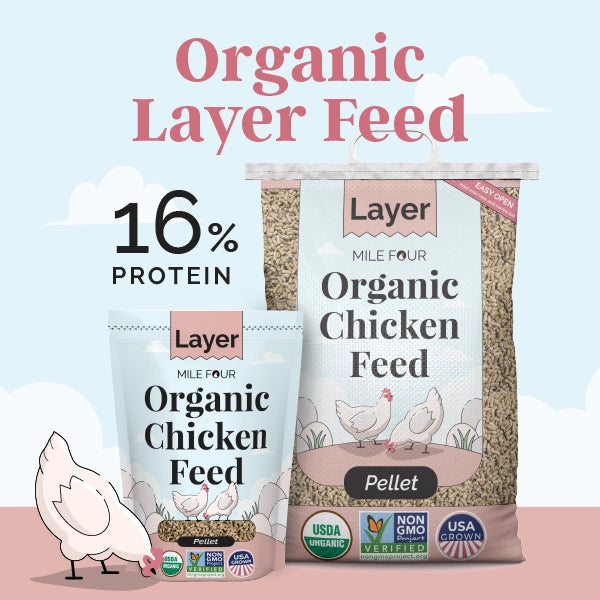
Start chicks on a 20–21% starter feed, move to an 18% grower around 8 weeks, and transition to a 16% layer feed once eggs begin. Wyandottes benefit from a balanced diet without excessive treats, as their rounded frames can store weight easily. If they free range, they will happily forage for insects and greens, especially in warm months.
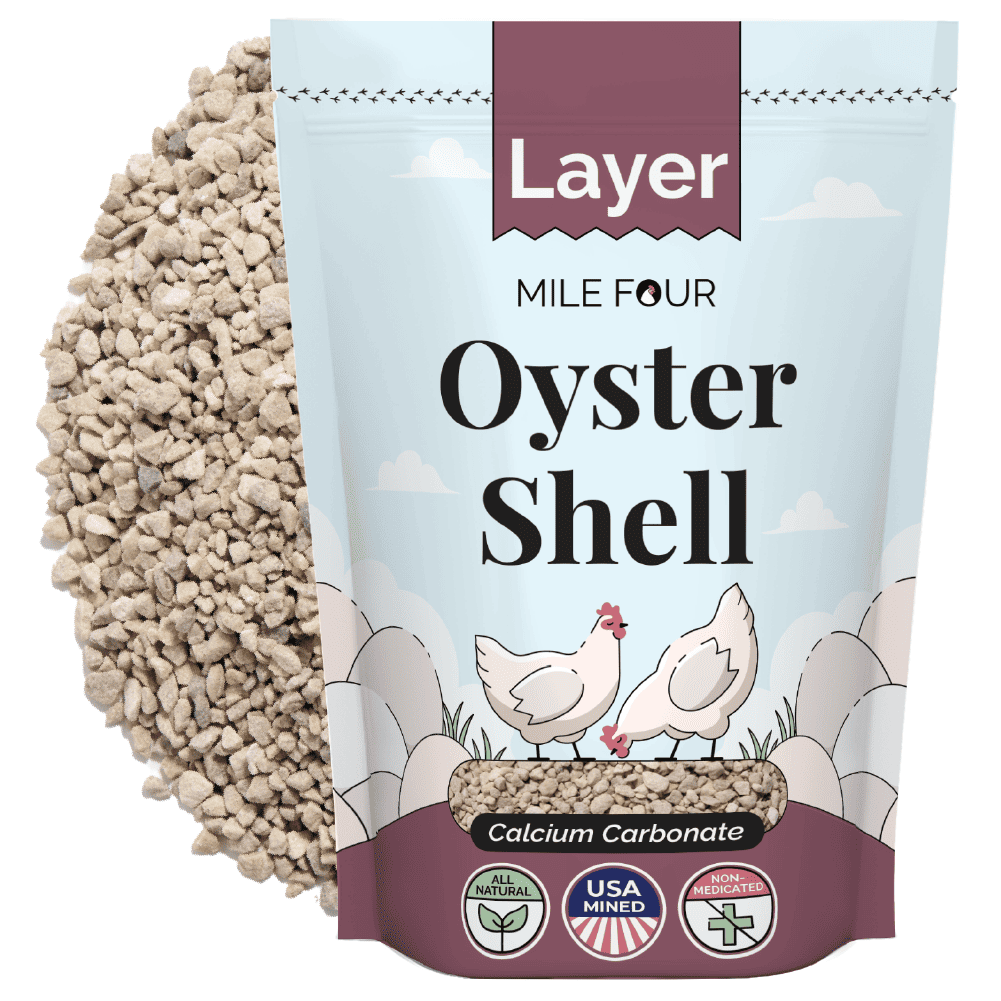
Provide grit, oyster shell, and fresh water as needed.
Chapter 8: Coop & Run Size for Wyandotte
Provide at least 4 square feet per bird inside the coop and 10–15+ square feet per bird in the run. Wyandottes adapt well to confinement but still enjoy space to explore and dust bathe. Their heavier bodies make low to medium roosts—around 18–24 inches—ideal for safety and comfort.
Standard 12x12 inch nest boxes work well, and their calm nature means they rarely crowd nest areas.
Chapter 9: Pros & Cons of Wyandotte Chickens
Wyandottes bring a blend of beauty, hardiness, and reliability to the flock. Their only real drawbacks revolve around heat sensitivity and their tendency to gain weight without exercise or balanced diets.
| Pros | Cons |
|---|---|
| Excellent cold-hardy birds | Moderate heat tolerance |
| Steady layers of large brown eggs | Can become overweight |
| Calm, friendly, beginner friendly | Feather density requires parasite checks |
| Beautiful laced plumage varieties | Some hatchery lines have weaker lacing |
| Adaptable to confinement or free range | Broodiness varies by line |
Chapter 10: Wyandotte FAQs
Are Wyandottes good for beginners?
Yes. Their calm, hardy nature makes them one of the best beginner breeds.
Do Wyandottes lay well?
They typically lay 200–240 large brown eggs per year, even in winter.
Are Wyandottes friendly?
They are friendly and easygoing, though not as cuddly as some ornamental breeds.
Do Wyandottes tolerate cold?
Extremely well—one of the top cold-hardy breeds thanks to their rose comb.
What colors do Wyandottes come in?
Popular varieties include Silver Laced, Gold Laced, Blue Laced Red, Buff, and Columbian.
Wyandotte hens keep laying steadily right through winter, thanks in part to that frostbite-resistant rose comb. Mile Four Layer Feed is built to keep pace with that year-round output → Discover Organic Layer Feed.
Sources
APA Standard of Perfection – Wyandotte.
The Livestock Conservancy – Wyandotte breed profile.
University poultry extension publications.
Show breeder documentation & historical breed notes.




.jpg)