

ISA Brown chickens are one of the most widely kept egg-laying chickens in the world, known for their exceptional productivity, early maturity, and calm, people-friendly nature. Unlike heritage breeds, ISA Browns are a commercial hybrid developed specifically for efficient brown egg production.
Their reliability, consistency, and easygoing temperament have made them a favorite among backyard keepers, small farms, and commercial operations alike. In this guide, we focus on ISA Brown chickens while also explaining their hybrid background, how they compare to similar birds like Golden Comets and other Red Sex-Links, and what to expect when raising them in a backyard setting.
Quick Chick(en) Facts
| Origin | France (commercial hybrid) |
| Colors | Brown to reddish brown |
| Weight | Hens: ~4–5 lb & Roosters: ~5–6 lb |
| Lifespan | 3–5 years |
| Rate of Lay/yr | ~280–320 eggs |
| Egg Size | Large |
| Egg Color | Brown |
| Heat Hardy | Good |
| Cold Hardy | Moderate |
| Broodiness | Very low |
| Disease Susceptibility | Generally hardy |
| Temperament | Calm, friendly, docile |
| Beginner Friendly | Yes |
Quick Jump
- Appearance of ISA Brown Chickens
- History of ISA Brown Chickens
- ISA Brown Chickens for Sale
- ISA Brown Egg Laying
- ISA Brown Health Issues & Care
- ISA Brown Temperament
- Feeding ISA Brown Chickens
- Coop & Run Size for ISA Browns
- Pros & Cons of ISA Brown Chickens
- ISA Brown FAQs
Appearance of ISA Brown Chickens
ISA Browns are medium-sized, lightweight chickens with smooth, streamlined bodies built for efficiency rather than ornamentation. Their plumage ranges from warm brown to reddish-brown, often with lighter feathering around the neck or tail depending on breeding lines.
They have single combs, yellow legs, and alert but gentle expressions. Compared to heavier heritage breeds like Rhode Island Reds, ISA Browns are more slender and athletic, a body type that supports sustained egg production and efficient feed conversion.
History of ISA Brown Chickens
ISA Browns were developed in France by Institut de Sélection Animale (ISA), a breeding company focused on improving commercial egg-laying performance. They were created by crossing select brown-egg-laying lines, often involving Rhode Island Red–type and White Leghorn–type genetics.
As a result, ISA Browns are classified as a hybrid rather than a true breed. They are closely related to other Red Sex-Link chickens such as Golden Comets, Cinnamon Queens, and Red Stars, though ISA Browns are often noted for their particularly calm temperament and consistency.
ISA Brown Chickens for Sale
ISA Browns are widely available through hatcheries and commercial pullet suppliers. They are commonly sold as day-old chicks or started pullets and are typically available for much of the year due to their popularity.
Because ISA Browns do not breed true, they are rarely sold as breeding pairs. Backyard keepers interested in long-term breeding projects often choose a heritage breed instead, while those focused on egg production gravitate toward ISA Browns.
ISA Brown Egg Laying
ISA Browns are exceptional egg layers, producing approximately 280–320 large brown eggs per year. Many hens begin laying between 16 and 18 weeks of age and maintain strong production through their first two laying seasons.
Egg production typically declines after peak years, which is common for high-output hybrids. Because broodiness has been almost entirely bred out, ISA Browns devote most of their energy to laying rather than nesting.
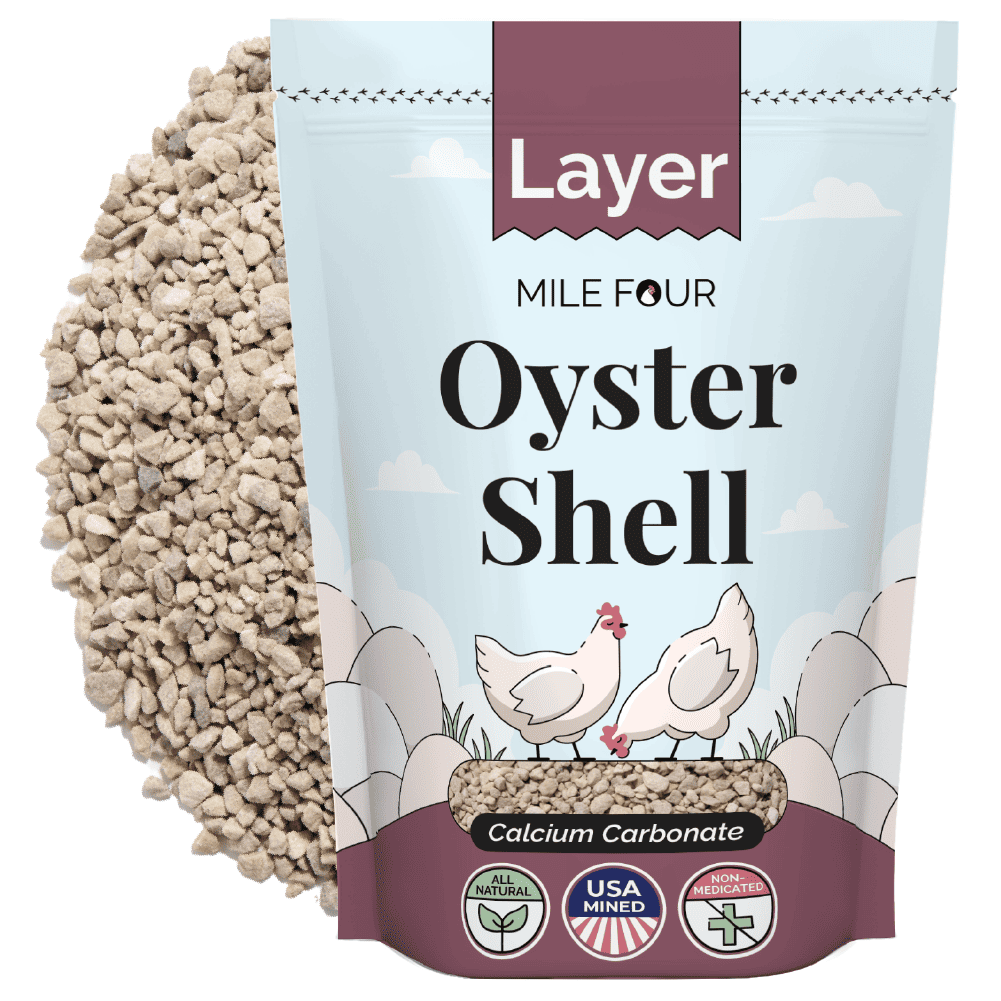
Due to their heavy production, providing adequate calcium is important. Many keepers offer oyster shell free-choice to support shell strength and consistency.
ISA Brown Health Issues & Care
ISA Browns are generally hardy, but their intense egg production can place strain on their bodies over time. Balanced nutrition, clean housing, and proper flock management help support long-term health.
While not prone to specific inherited diseases, ISA Browns may have a shorter lifespan than heritage breeds. Preventing obesity and reproductive stress becomes more important as they age.
ISA Brown Temperament
ISA Browns are known for their calm, friendly, and docile temperament. They are often described as easy to handle and quick to become comfortable around people, making them an excellent choice for beginners.
They typically integrate well into mixed flocks and tend to rank in the middle of the pecking order. Their relaxed nature reduces aggression-related issues in backyard settings.
Feeding ISA Brown Chickens
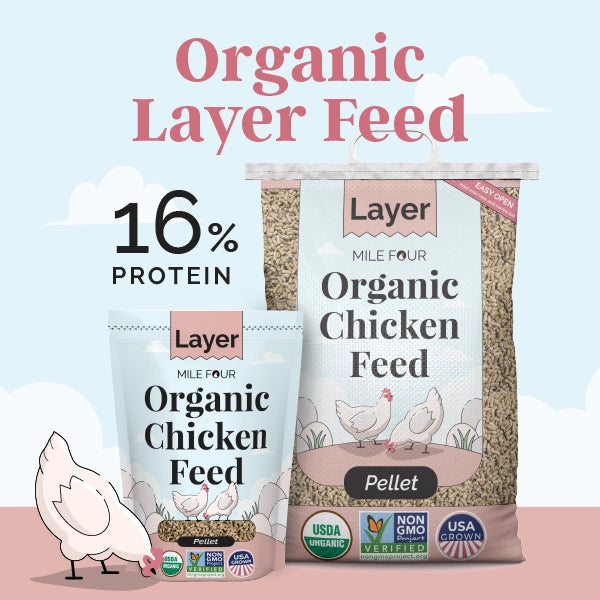
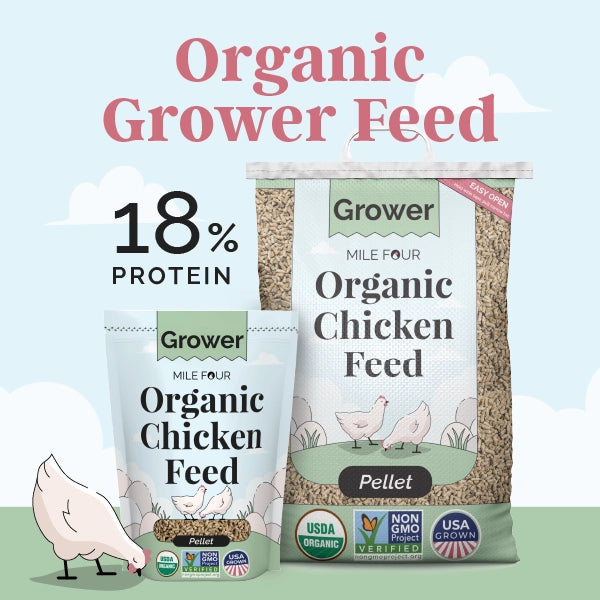
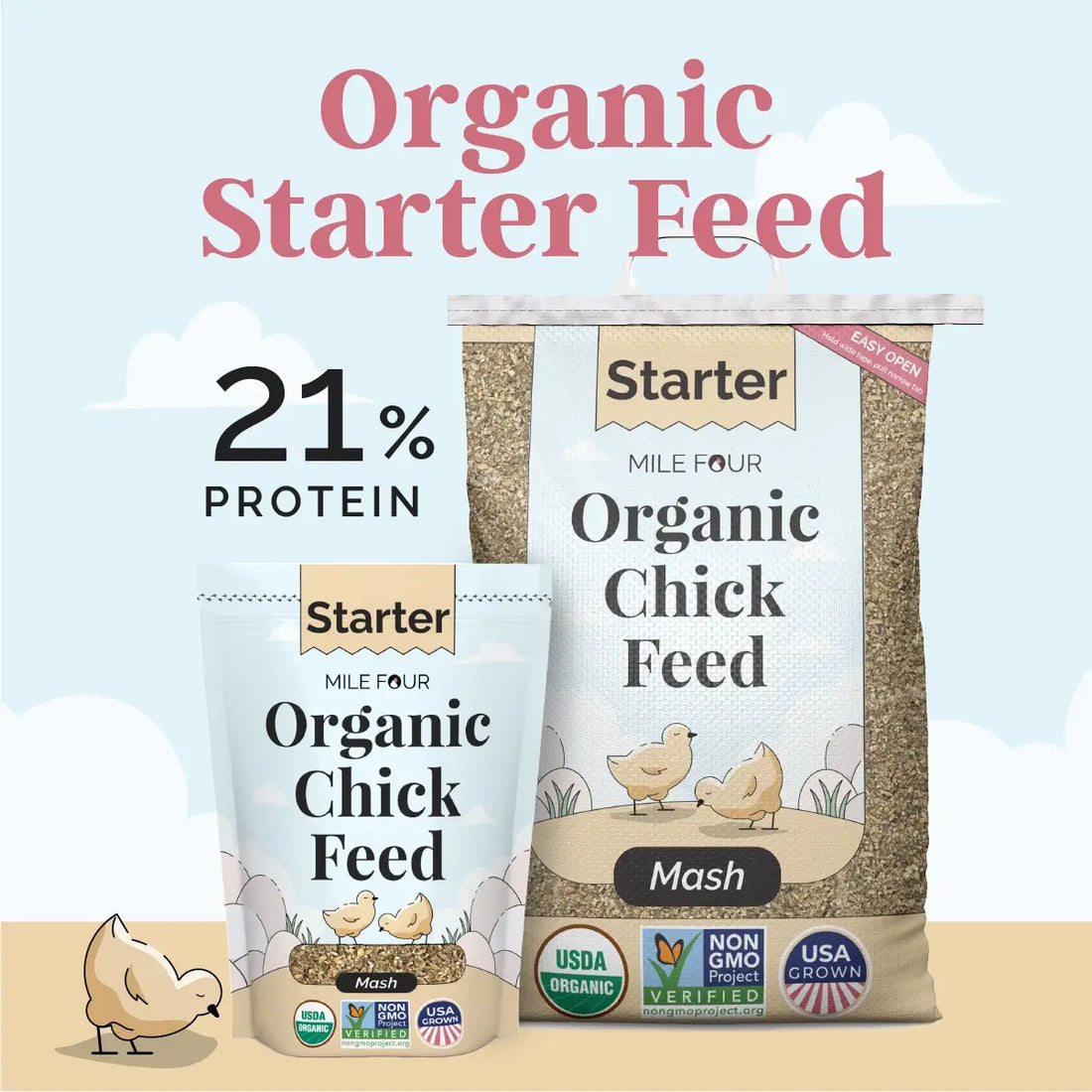
ISA Browns thrive on a consistent feeding program matched to their life stage. Chicks should receive starter feed through 8 weeks, followed by grower feed until point of lay. Once laying begins, a quality layer feed supports sustained egg production.
Many keepers choose USDA-certified Organic, Non-GMO options. Mile Four’s Organic Chicken Feed Kits simplify feeding from chick to layer, while Organic Layer Feed helps support consistent egg output.
Coop & Run Size for ISA Browns
ISA Browns need approximately 3–4 square feet per bird inside the coop and at least 10 square feet per bird in the run. They enjoy foraging but adapt well to confined runs when space is limited.
Standard roosts and nesting boxes are sufficient. Because of their lighter build, ISA Browns handle jumping and perching easily.
Pros & Cons of ISA Brown Chickens
| Pros | Cons |
|---|---|
| Extremely high egg production | Shorter lifespan than heritage breeds |
| Early maturity | Do not breed true |
| Calm, friendly temperament | Egg production declines after peak years |
| Widely available | Less suited for long-term breeding |
ISA Brown FAQs
Are ISA Browns the same as Golden Comets?
They are very similar. Both are Red Sex-Link–type hybrids, though exact parent lines vary by breeder.
How long do ISA Browns lay eggs?
They lay most heavily during their first two years, with production gradually declining afterward.
Can ISA Browns reproduce?
They can reproduce, but their offspring will not reliably resemble the parents due to hybrid genetics.
Are ISA Browns good for backyard flocks?
Yes. Their calm temperament and reliable egg production make them a popular backyard choice.
Do ISA Browns need special care?
No special care is required, but consistent nutrition and good flock management help support long-term health.
ISA Browns can lay up to 320 eggs a year, one of the highest outputs of any backyard bird, and that kind of production needs feed built to match it. Mile Four Layer Feed is designed for exactly that pace → Discover Organic Layer Feed.
Sources
University of Georgia Extension, commercial egg layer management publications.
Penn State Extension, hybrid chicken breed and egg production resources.
Institut de Sélection Animale (ISA) breeding background materials.
Poultry Science Journal research on hybrid layer genetics and egg production.