

Delaware chickens are an all-American breed with a story rooted in practicality, resilience, and classic barnyard charm. Originally developed in the 1940s, Delawares were created to be the country’s next great dual purpose bird—fast-growing, cold hardy, excellent foragers, and consistent layers of large brown eggs.
Their striking white plumage with black barring makes them stand out visually, but it’s their friendly, easygoing nature that keeps them popular with backyard flocks today. Delawares are confident without being pushy, curious without being chaotic, and dependable in nearly every climate.
This guide covers everything you need to know: appearance, history, availability, egg performance, health care, temperament, feeding, housing, pros & cons, and FAQs so you can decide if this heritage American breed is the right fit for your flock.

Quick Chick(en) Facts
| Origin | United States (Delaware) |
| Colors | White with black barring on neck & tail |
| Weight | Hens: ~6.5 lb & Roosters: ~8.5 lb |
| Lifespan | 5–7 years |
| Rate of Lay/yr | ~200–280 eggs |
| Egg Size | Large |
| Egg Color | Brown |
| Heat Hardy | Moderate; good airflow needed |
| Cold Hardy | Yes; well suited for winters |
| Broodiness | Low to Moderate |
| Disease Susceptibility | Generally hardy; monitor comb frostbite |
| Temperament | Confident, calm, curious |
| Beginner Friendly | Yes |
Quick Jump
Chapter 2: History of Delaware Chickens
Chapter 3: Delaware Chickens for Sale
Chapter 4: Delaware Egg Laying
Chapter 5: Delaware Health Issues & Care
Chapter 6: Delaware Temperament
Chapter 7: Feeding Delaware
Chapter 8: Coop & Run Size for Delaware
Chapter 9: Pros & Cons of Delaware Chickens
Chapter 10: Delaware FAQs
› FAQs
Chapter 1: Appearance of Delaware Chickens
Delawares are striking birds with bright white bodies contrasted by black barring on the neck, wings, and tail. Their plumage pattern resembles a lighter version of Barred Rocks, but with more concentrated neck and tail markings. This contrast gives them a crisp, clean look that stands out in any yard. Their bodies are broad and well-muscled—a reminder of their original purpose as a dual purpose farm bird built for both eggs and table qualities.
They have a confident, upright stance and a bright red single comb that adds to their classic American barnyard appearance.
Size
Delawares are medium to large birds, similar in build to a lighter-bodied Plymouth Rock. Their weight gives them presence without making them sluggish, and they tend to move with a confident, steady gait. Their strong frames also help them perform well in cooler climates.
Colors
The APA recognizes only one variety: the classic white body with black barring. The neck feathers often show a beautiful pencil pattern, and the rooster’s tail feathers usually have more distinct black barring than the hens.
Chapter 2: History of Delaware Chickens
Delawares were developed in the 1940s in Delaware by breeder George Ellis. They were intended to be the next great broiler chicken—fast growing, cold hardy, and reasonably good layers. For a time, they dominated the early commercial broiler industry. But once Cornish Cross hybrids emerged, Delawares faded from commercial use and became a heritage breed maintained largely by small farms and dedicated backyard keepers.
Today, Delawares are valued for their historical significance, versatility, and rare-breed status, and they have regained popularity among homesteaders looking for dependable dual purpose birds.
Chapter 3: Delaware Chickens for Sale
Delawares are available through most major hatcheries, particularly in spring and early summer. Their availability is consistent year to year due to their heritage popularity. While hatchery stock is suitable for backyard flocks, breeder-quality Delawares tend to show stronger black barring and a fuller, more traditional body shape.
Chicks ship well and tend to be strong, active, and hardy. Because they’re a heritage breed, many small breeders also offer them locally—especially those focused on preserving classic American poultry lines.
Chapter 4: Delaware Egg Laying
Delaware hens are solid, dependable layers of large brown eggs, often producing 200–280 per year. Their laying performance sits comfortably between higher-production hybrid layers and slower heritage breeds. One standout trait is their ability to keep laying well during cooler months, a result of their cold-hardy genetics.

They usually begin laying around 20–22 weeks, making them relatively early starters for a heritage breed.
Broodiness is low to moderate. Most hens prefer to keep laying rather than sit, but occasionally a Delaware will become broody—usually making a calm, attentive mother when she does.
Chapter 5: Delaware Health Issues & Care
Delawares are hardy birds with few breed-specific health concerns. Their main vulnerability is frostbite on their single combs during winter, so coop ventilation and dryness are essential. Their white plumage also makes dirt more visible, so clean bedding helps keep feathers in good condition.
They are sturdy on their feet, rarely prone to leg issues, and thrive in both confinement and free range setups.
Health Issues
As with most breeds, lice and mites can occur, especially during warm, humid months. Check under wings and around the vent area regularly. Providing dust baths keeps parasites under control and supports their thick plumage.
Climate Needs
Delawares shine in colder climates thanks to their dense feathering and strong bodies. In warmer regions, they do well with ample shade and airflow. Their combs may need monitoring in freezing temperatures, but otherwise they handle most climates well.
Chapter 6: Delaware Temperament
Delawares have a confident, calm temperament that makes them enjoyable to keep. They’re friendly without being clingy, curious without being overly flighty, and they tend to interact well with humans. Many keepers find them talkative—they’ll “chat” with you as you walk the yard or do chores.
In a mixed flock, they sit mid-range in the pecking order. They won’t usually start conflict but can stand their ground if needed.
Temperament
Broody Delaware hens remain calm and steady, often making capable mothers. Since broodiness isn’t extremely common, it rarely interrupts their normal laying cycles.
Chapter 7: Feeding Delaware
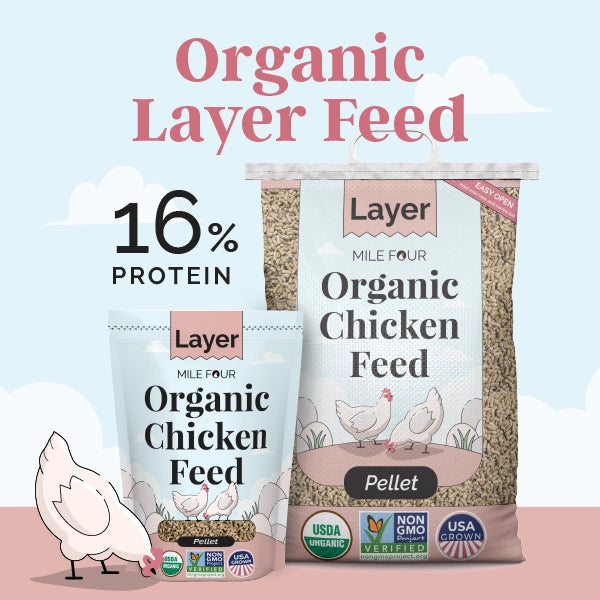
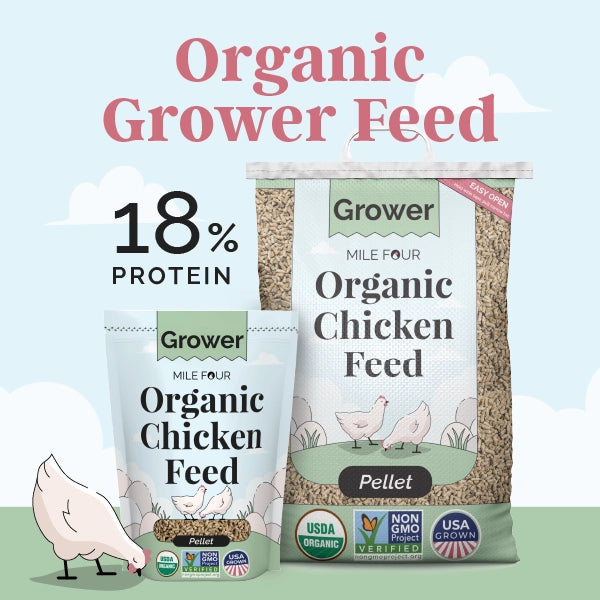
Start chicks on a 20–21% starter, transition to grower at 8 weeks, and move to a 16% layer feed when eggs begin. Delawares are good foragers and willingly supplement their diet with insects and plants, helping reduce feed costs in open yard setups.
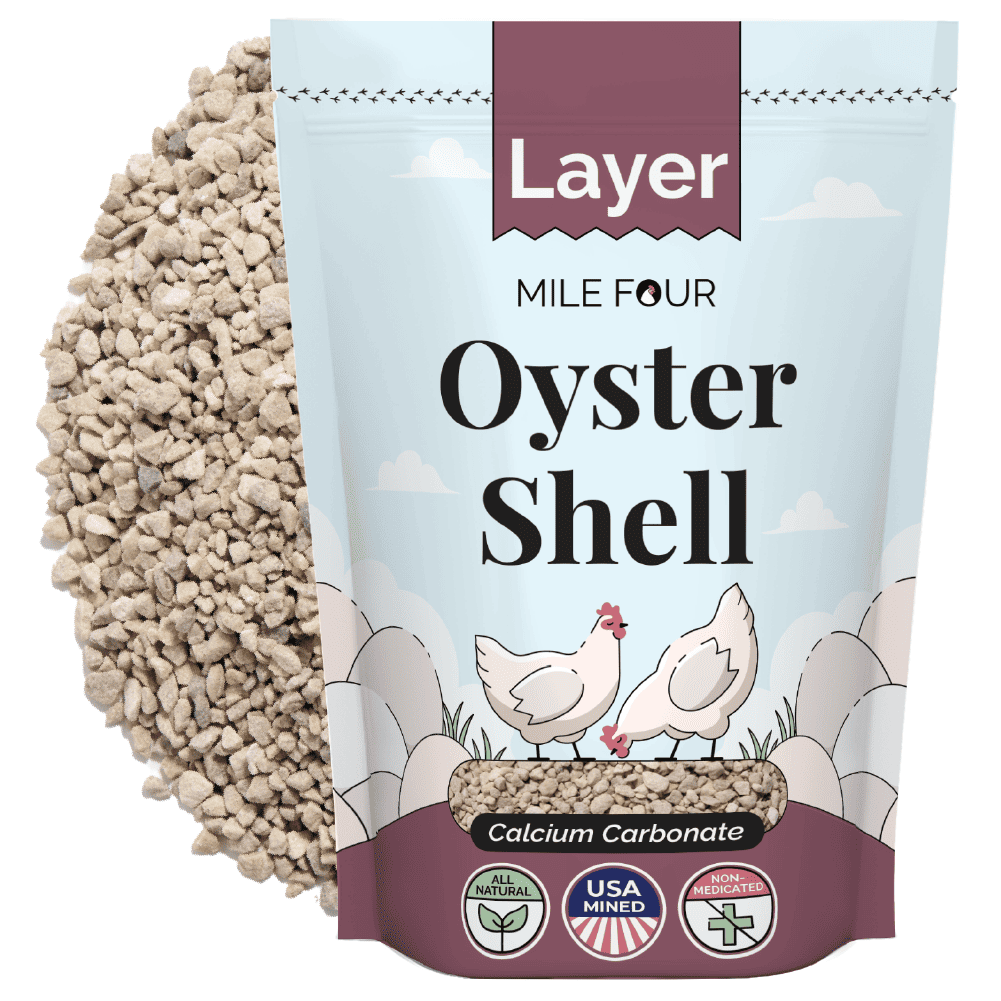
Provide oyster shell for healthy shells and grit for digestion, especially if they free range.
Chapter 8: Coop & Run Size for Delaware
Provide at least 4 square feet per bird in the coop and 10–15+ square feet in the run. Delawares handle confinement well but appreciate room to roam—they’re confident explorers and enjoy stretching their wings outdoors.
Standard roost heights (18–24 inches) and 12x12 inch nest boxes work perfectly. Their full bodies make them stable on perches, even in colder weather.
Chapter 9: Pros & Cons of Delaware Chickens
Delawares are versatile, hardy birds with a great balance of egg production, friendliness, and American heritage appeal. Their only challenges come from their comb type in cold climates and the breed’s rarity compared to common hatchery staples.
| Pros | Cons |
|---|---|
| Reliable layers of large brown eggs | Comb prone to frostbite |
| Friendly, calm, beginner friendly | Less common than many breeds |
| Cold hardy & adaptable | Broodiness varies widely |
| Great dual purpose heritage breed | White feathers show dirt easily |
| Good foragers with steady temperaments | Coloring can fade in hatchery lines |
Chapter 10: Delaware FAQs
Are Delaware chickens friendly?
Yes. They are calm, confident, and people-friendly without being overly demanding.
How many eggs do Delawares lay?
Around 200–280 large brown eggs per year.
Do Delawares tolerate cold?
Very well—although combs need monitoring for frostbite.
Are they good for beginners?
Absolutely. They are hardy, easygoing, and low maintenance.
Are Delawares a true heritage breed?
Yes. They are considered a classic American dual purpose heritage breed.
Delawares were bred to grow fast into a broad, dual-purpose frame, and that kind of build needs real fuel behind it. Mile Four Grower Feed supports that stage → Discover Organic Grower Feed.
Sources
APA Standard of Perfection – Delaware.
The Livestock Conservancy – Delaware profile.
University poultry extension publications.
Historical broiler development records & breeder documentation.