


Black Copper Marans chickens are one of the most sought-after backyard chickens in the world, prized for their famously dark brown eggs and striking copper-accented plumage. This variety of the French Marans breed is especially valued for producing some of the deepest chocolate-colored eggs available, often ranking among the darkest of all chicken breeds.
While many Marans varieties exist, Black Copper Marans are most closely associated with rich egg color, balanced temperaments, and strong adaptability to backyard environments.
In this guide, we focus specifically on Black Copper Marans chickens while also explaining how they fit into the broader Marans family, helping you understand what truly sets them apart.
Quick Chick(en) Facts
| Origin | France (Marans region) |
| Colors | Black body with copper hackles |
| Weight | Hens: ~6.5–7 lb & Roosters: ~7.5–8 lb |
| Lifespan | 5–8 years |
| Rate of Lay/yr | ~150–200 eggs |
| Egg Size | Large |
| Egg Color | Dark brown to chocolate |
| Heat Hardy | Moderate |
| Cold Hardy | Good with dry coop |
| Broodiness | Low to Moderate |
| Disease Susceptibility | Generally hardy |
| Temperament | Calm, observant, steady |
| Beginner Friendly | Yes |
Quick Jump
- Appearance of Black Copper Marans Chickens
- History of Black Copper Marans Chickens
- Black Copper Marans Chickens for Sale
- Black Copper Marans Egg Laying
- Black Copper Marans Health Issues & Care
- Black Copper Marans Temperament
- Feeding Black Copper Marans
- Coop & Run Size for Black Copper Marans
- Pros & Cons of Black Copper Marans Chickens
- Black Copper Marans FAQs
Appearance of Black Copper Marans Chickens
Black Copper Marans are instantly recognizable by their dramatic contrast in coloring. Their bodies are a deep, glossy black with a green sheen in direct sunlight, while copper or gold feathers frame the neck and upper chest. Hens typically show softer copper tones, while roosters display brighter, more extensive copper that continues into the saddle feathers.
Structurally, Black Copper Marans are solid, medium-heavy birds with strong legs and broad bodies. They are not ornamental in the traditional sense, but their rich coloring and depth give them a bold, refined appearance. Compared to Cuckoo Marans, which display barred plumage, Black Copper Marans are more visually striking and are often the variety most associated with “chocolate egg” imagery.
History of Black Copper Marans Chickens
Black Copper Marans originated in the port town of Marans on France’s Atlantic coast. Early Marans were developed by crossing local French chickens with imported birds brought in by trading ships, likely including game birds and Asiatic types. These crosses produced hardy birds capable of thriving in damp coastal conditions.
Egg color quickly became the defining feature of Marans chickens. French breeders placed strong emphasis on shell pigmentation, eventually refining several color varieties. Among them, Black Copper Marans became especially prized for their consistently darker eggs. Today, they remain the benchmark variety for dark brown egg production and are heavily selected for egg color in dedicated breeding programs.
Black Copper Marans Chickens for Sale
Black Copper Marans are widely available in the U.S., though quality varies significantly. Large hatcheries often offer them seasonally, usually from late winter through early summer. Hatchery birds are typically hardy and friendly, but egg color may range from medium-dark to dark brown rather than true chocolate.
Breeder lines, by contrast, often use egg color scoring systems to select breeding stock. These programs aim to preserve the darkest shell pigmentation possible. Compared to other Marans varieties, Black Copper Marans are generally harder to source at high quality than Cuckoo Marans, but they remain the most in-demand variety due to their egg color reputation.
Black Copper Marans Egg Laying
Black Copper Marans are moderate layers, producing approximately 150–200 large eggs per year. Their appeal lies not in quantity but in quality. Eggs range from deep brown to dark chocolate and may show light speckling or bloom, especially early in a laying cycle.
The dark color comes from a pigment called protoporphyrin, which is deposited on the shell late in the formation process. Because of this, egg color can vary through the season, often appearing darkest at the start and gradually lightening before deepening again after a pause in laying.
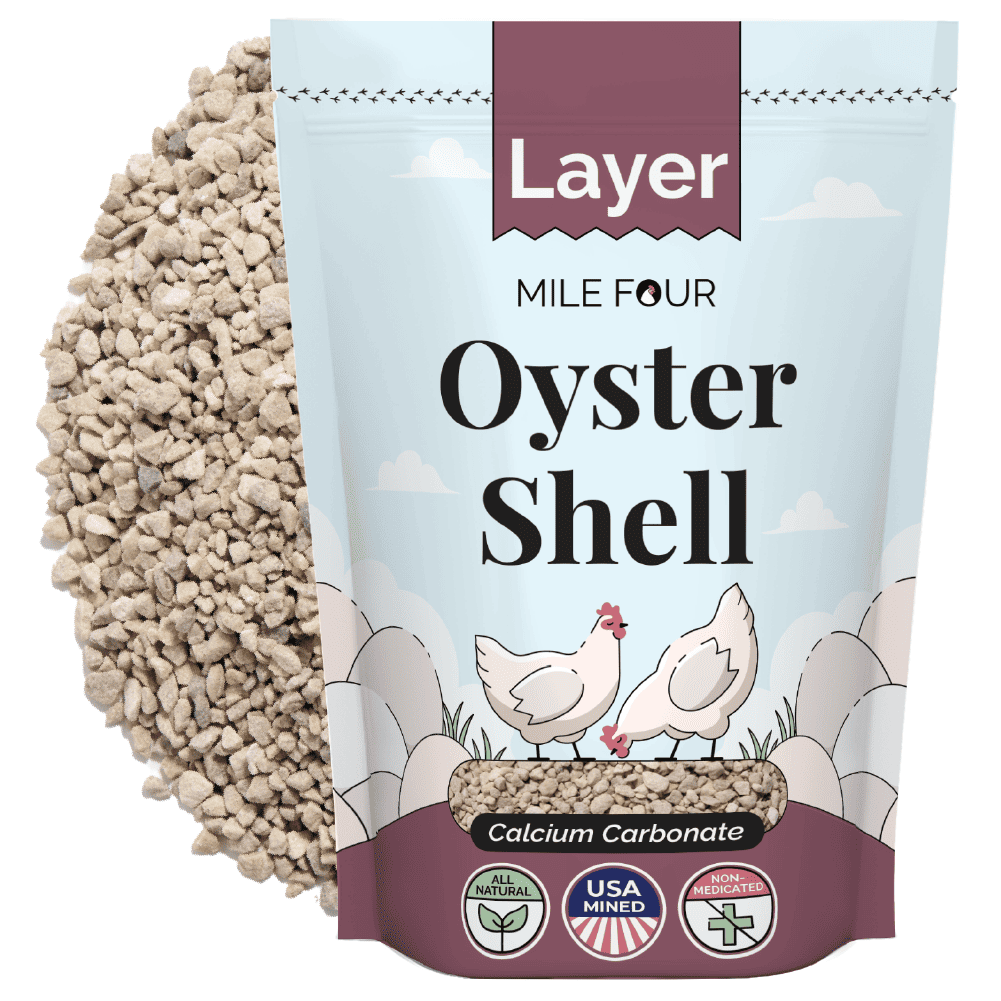
Consistent nutrition and calcium availability are important for shell quality. Many keepers provide oyster shell free-choice once laying begins to support strong shells and uniform pigmentation.
Black Copper Marans Health Issues & Care
Black Copper Marans are generally hardy birds with no widespread breed-specific health issues. Their French origins make them well suited to cool, damp climates, provided their coop remains dry and well ventilated. Moisture control is especially important in winter to prevent frostbite on their single combs.
Because they are heavier than many Mediterranean breeds, dry footing helps prevent foot and leg problems in muddy environments. Regular parasite checks and clean bedding are usually sufficient to keep them healthy long term.
Black Copper Marans Temperament
Black Copper Marans are calm, observant chickens that tend to be friendly without being pushy. They often follow their keepers at a distance and integrate smoothly into mixed flocks. Their steady disposition makes them a good fit alongside breeds like Australorps, Plymouth Rocks, and Wyandottes.
They typically sit in the middle of the pecking order. Roosters vary by breeding line, but well-bred Black Copper Marans males are usually watchful rather than aggressive, making them manageable in family settings.
Feeding Black Copper Marans
Black Copper Marans do well on a standard feeding progression: starter feed from hatch to 8 weeks, grower feed through adolescence, and a balanced layer feed once egg production begins. Because egg shell quality is so closely tied to nutrition, consistent feeding is especially important for this breed.
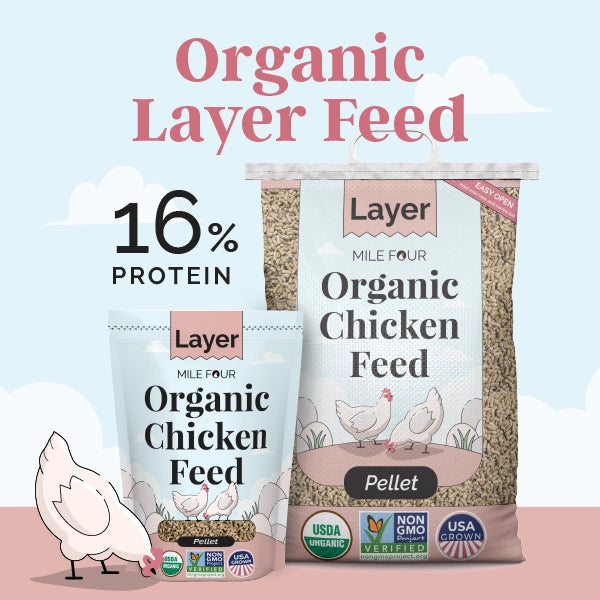
Many keepers choose USDA-certified Organic, Non-GMO feeds. Mile Four’s Organic Chicken Feed Kits offer an easy way to match nutrition to each life stage, while Organic Layer Feed supports ongoing egg production and shell strength.
Coop & Run Size for Black Copper Marans
Black Copper Marans need about 4 square feet per bird inside the coop and 10–15 square feet per bird in the run. They enjoy foraging and benefit from outdoor access but are not strong fliers, making them suitable for standard backyard enclosures.
Roosts set at moderate height help reduce leg strain, especially for heavier roosters. Standard nesting boxes are sufficient, though darker nest areas can encourage consistent laying behavior.
Pros & Cons of Black Copper Marans Chickens
| Pros | Cons |
|---|---|
| Some of the darkest eggs available | Lower egg numbers than hybrids |
| Calm, steady temperament | Egg color varies by breeding line |
| Hardy and adaptable | High-quality stock can be difficult to find |
| Attractive, distinctive appearance | Single combs need protection in extreme cold |
Black Copper Marans FAQs
How dark are Black Copper Marans eggs compared to other breeds?
They are among the darkest brown eggs laid by any chicken breed, often darker than those from Welsummers, Plymouth Rocks, or standard brown egg layers.
Why do Black Copper Marans eggs vary in color?
Egg color depends on genetics, breeding selection, and laying cycle timing. Well-bred lines lay darker eggs more consistently.
Are Black Copper Marans better than Cuckoo Marans?
They are better known for darker eggs, while Cuckoo Marans are generally easier to find and sometimes slightly better layers.
Do Black Copper Marans need special care?
No special care is required, but dry housing and consistent nutrition help maintain shell quality and overall health.
Are Black Copper Marans good for small backyard flocks?
Yes. Their calm temperament, moderate size, and unique egg color make them well suited for backyard keepers.
Black Copper Marans are prized for the depth of their egg color, and consistent nutrition is what keeps that pigmentation and shell strength steady. Mile Four Layer Feed supports both → Discover Organic Layer Feed.
Sources
American Poultry Association, Standard of Perfection
Marans Club of America breed reference materials
Club Français de la Marans (French Marans breed standards)
Penn State Extension, poultry breed and egg production publications
Poultry Science Journal research on eggshell pigmentation and protoporphyrin deposition




1 comment
Where can I find french black copper maran roosters that don’t have yellow legs . I keep getting the yellow leg and no leg feathers.