

Leghorn chickens are legendary white egg layers, turning feed into baskets of eggs with impressive efficiency. Originally from the Mediterranean & refined in the United States, Leghorns are light, athletic birds that love to stay busy & do best in secure, well designed coops.
This guide covers everything you need to know about Leghorn chickens: their sleek appearance, productive history, where to buy them, what kind of egg laying you can expect, & how to keep these active birds healthy, safe, & happy. Whether you are building a small backyard flock or planning a serious egg operation, you will learn the pros & cons of Leghorns so you can decide if this classic production breed fits your goals.

Quick Chick(en) Facts
| Origin | Italy (Mediterranean), developed in U.S. |
| Colors | White, Brown, & other APA Leghorn varieties |
| Weight | Hens: ~4.5 lb & Roosters: ~6 lb |
| Lifespan | 4–6 years, lighter production breed |
| Rate of Lay/yr | ~280–320 eggs per year; high production lines |
| Egg Size | Large to XL |
| Egg Color | White |
| Heat Hardy | Yes; slim bodies handle heat well |
| Cold Hardy | Moderate; large combs need frost protection |
| Broodiness | Very low; rarely broody, great for continuous laying |
| Disease Susceptibility | Generally hardy; watch combs & body condition |
| Temperament | Active, alert, flighty, excellent foragers |
| Beginner Friendly | Yes, for secure coops & egg focused keepers |
Quick Jump
Chapter 2: History of Leghorn Chickens
Chapter 3: Leghorn Chickens for Sale
Chapter 4: Leghorn Egg Laying
Chapter 5: Leghorn Health Issues & Care
Chapter 6: Leghorn Temperament
Chapter 7: Feeding Leghorn
Chapter 8: Coop & Run Size for Leghorn
Chapter 9: Pros & Cons of Leghorn Chickens
Chapter 10: Leghorn FAQs
› FAQs
Chapter 1: Appearance of Leghorn Chickens
Leghorn chickens have a sleek, athletic look with long bodies, tight feathering, & upright tails. They were built for efficiency rather than bulk, so they look lean compared to many dual purpose breeds. In the yard, they move quickly & confidently, covering a lot of ground as they forage.
They have large single combs in many strains, with bright red combs & wattles that stand out against white or patterned plumage. Yellow legs & beaks are common, & their tight feathering helps them stay clean & dry. Rose comb varieties also exist, especially in colder regions where a smaller comb is an advantage.
Size
Leghorns are a light class breed. Standard roosters average around 6 lb, while hens are closer to 4–4.5 lb. That lighter frame makes them nimble & efficient, but also means they are not used primarily as meat birds.
Their size makes them easy to catch once they are used to you, though their quick reflexes & alert nature can make handling a bit more challenging for brand new keepers.
Colors
While White Leghorns are the most familiar, the breed comes in many colors, including Brown, Light Brown, Black, Buff, Silver, & more. White Leghorns have bright white plumage with a yellow cast to the skin, while Brown Leghorns show wild type patterning with rich chestnut & darker striping.
In sunlight, white birds look almost glowing, while colored varieties show attractive pattern and sheen on the neck & tail feathers. All share the same basic slim, high energy Leghorn build.
Chapter 2: History of Leghorn Chickens
Leghorn chickens trace back to Mediterranean birds exported from Italian ports in the 1800s. These light, active fowl were further developed in England & the United States, where breeders selected them for prolific white egg laying.
Over time, Leghorns became a foundation breed for commercial white egg production around the world. The American Poultry Association recognizes multiple Leghorn varieties, & the breed still anchors many industrial laying lines, even when those hybrids are not marketed as Leghorns by name.
Chapter 3: Leghorn Chickens for Sale
Leghorns are easy to find through hatcheries, farm stores, & online chick suppliers, especially in their White & Brown forms. Many hatcheries offer both standard Leghorns & hybrid white egg layers descended from Leghorn stock.
Day old chicks are typically sold as straight run or sexed pullets, & some suppliers offer started pullets for keepers who want to skip brooding. When ordering, ask whether birds are traditional Leghorn lines or commercial type hybrids, as this affects both appearance & long term production.
Chapter 4: Leghorn Egg Laying
Leghorn hens are famous for their high egg output. Many produce 5–6 white eggs per week at peak, which translates to roughly 280–320 eggs per year under good management. Pullets usually start laying early, often around 18–20 weeks of age.

They maintain strong production for at least two seasons, with gradual decline after that. A consistent 16% layer ration, plenty of clean water, & adequate daylight help them stay on schedule. Compared to most dual purpose breeds, Leghorns are significantly more productive on a per bird basis.
Chapter 5: Leghorn Health Issues & Care
Leghorns are generally hardy, especially in warm weather. Their lighter bodies & tight feathering help them handle heat & humidity better than many heavy breeds. They do, however, need some special attention in cold climates because of their large single combs.
Basic good care applies: a dry, well ventilated coop, clean bedding, fresh water, & balanced feed. Keep an eye on weight & feather condition, since high producers can lose condition quickly if nutrition or parasite control slips.
Health Issues
As active foragers, Leghorns can be exposed to external parasites such as lice & mites, especially in older coops. Their tight plumage makes it fairly easy to part feathers & check skin around the vent, under wings, & along the back.
Offer dry dust baths & maintain a regular schedule of coop cleaning. Internal worms are also possible on long used ground, so consider periodic fecal checks or targeted deworming based on local veterinary advice.
Climate Needs
Leghorns thrive in warm & hot climates. Their light bodies shed heat efficiently, & they stay comfortable as long as they have shade, water, & airflow. In cold climates, the main concern is frostbite on large single combs & wattles.
A dry coop with good ventilation (but no drafts at roost level), wide perches, & deep bedding will help minimize frostbite risk. Some keepers apply a thin layer of petroleum jelly to comb tips in extreme cold, though coop conditions are the most important factor.
Chapter 6: Leghorn Temperament
Leghorns are alert, high energy birds that prefer to stay on the move. They are often more flighty than heavy dual purpose breeds, especially if they are not handled frequently from a young age. Many will follow you for treats but still prefer a bit of personal space.
In mixed flocks, they rely on speed & agility rather than size, & usually hold their own if they have enough room. Their active nature makes them well suited to free range or large runs, but they are less ideal for very small, quiet urban setups where neighbors expect calm birds.
Temperament
Because Leghorns seldom go broody, broodiness does not define their personality the way it does in some heritage breeds. Hens remain focused on foraging & laying rather than nesting. This keeps egg collection simple, but you will not see much doting mother hen behavior from this breed.
Chapter 7: Feeding Leghorn
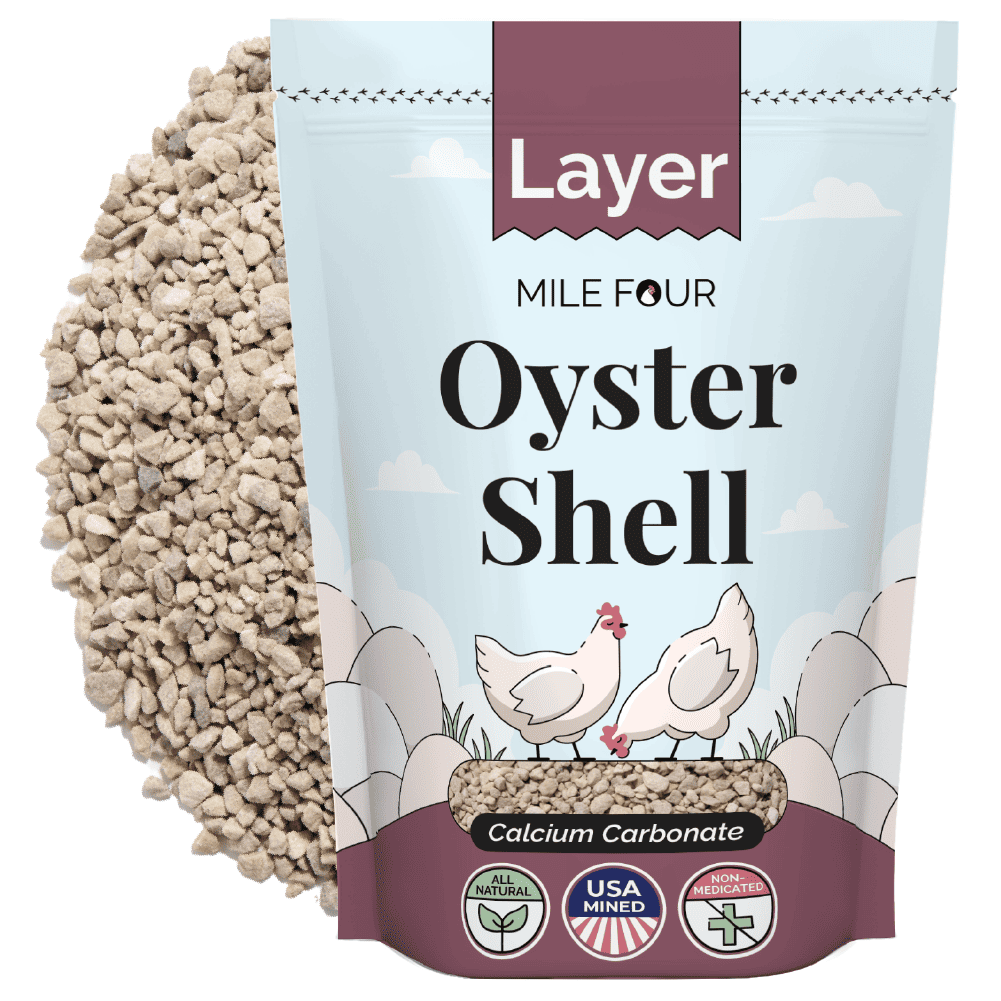
Leghorn chicks should start on a 20–21% protein chick starter for the first 6 weeks, then transition to a 16–18% grower feed until they approach laying age. Once hens begin to lay, move them to a 16% layer ration with free choice oyster shell for calcium.
They are expert foragers & can gather a meaningful portion of their diet from pasture, especially in warm months. Because they are light framed & high producing, it is important not to dilute their diet with too many low protein treats; keep extras to roughly 10% or less of total intake.
Chapter 8: Coop & Run Size for Leghorn
Leghorns are active birds that appreciate space. Aim for at least 4 square feet of coop space per bird if they have daily access to a generous run or free range, & 10–15+ square feet per bird in the run to reduce stress & fence pacing.
Provide secure fencing & a covered run if possible, as Leghorns can fly better than many heavier breeds & are quick to explore. Roosts can be set 18–36 inches off the floor, with enough horizontal space for birds to spread out in warm weather. Standard 12x12 inch nest boxes work well at a ratio of about 1 box per 3–4 hens.
Chapter 9: Pros & Cons of Leghorn Chickens
Leghorns are a top choice for keepers who want maximum white egg production from a small, efficient flock. They eat relatively little for the number of eggs they lay, handle heat very well, & offer the classic white egg many people expect in the kitchen.
On the other hand, their flighty, high energy nature & large combs in cold climates can be challenging. They are not the best pick if you want cuddly pet chickens or a broody heavy flock. Understanding these trade offs will help you decide whether Leghorns match your flock’s purpose.
| Pros | Cons |
|---|---|
| Exceptional white egg production | Flighty; less cuddly than many breeds |
| Efficient feed to egg conversion | Large combs prone to frostbite in cold |
| Great heat tolerance & foraging ability | Not ideal as meat birds |
| Long laying season with low broodiness | Rarely broody; poor for natural hatching |
| Good choice for small but productive flocks | High energy may not suit tiny urban coops |
Chapter 10: Leghorn FAQs
How many eggs does a Leghorn hen lay?
A well managed Leghorn hen often lays around 280–320 white eggs per year, making her one of the most productive backyard layers you can choose.
Are Leghorn chickens friendly?
Leghorns are more alert & flighty than many heavy breeds. With gentle, regular handling they can become fairly tame, but most prefer to stay on the move rather than sit in your lap.
Are Leghorns good for beginners?
Yes, if your main goal is egg production & you have a secure coop & run. Brand new keepers who want cuddly pet birds might prefer a calmer, heavier breed, but many beginners love Leghorns once they understand their active nature.
Do Leghorn chickens go broody?
Very rarely. Most Leghorn hens never go broody, which is great for continuous egg collection but means you will use an incubator or another broody breed if you want to hatch chicks.
Are Leghorns noisy?
They are talkative, active birds but not usually louder than other standard breeds. Their busy, alert personalities can make them seem more noticeable in small yards, so a bit of buffer from close neighbors is helpful.
Few breeds ask more of a feed bag than a Leghorn laying up to 320 eggs a year. Mile Four Layer Feed is built to keep up with that kind of output → Discover Organic Layer Feed.
Sources
American Poultry Association – Standard of Perfection (Leghorn).
The Livestock Conservancy – Leghorn breed overview.
University extension poultry resources on Mediterranean & commercial layer breeds.
Backyard poultry references & breeder notes on Leghorn traits & management.