
Cuckoo Marans chickens are a popular and practical variety of the Marans breed, known for their barred plumage, hardy nature, and consistent brown egg production. While Black Copper Marans often receive the most attention for extremely dark eggs, Cuckoo Marans have long been valued as dependable farm birds with strong foraging ability and steady laying habits.
Originating in France alongside other Marans varieties, Cuckoo Marans combine utility-focused traits with a calm, adaptable temperament. In this guide, we focus specifically on Cuckoo Marans chickens, how they differ from other Marans varieties, and what backyard keepers can realistically expect from this breed.
Quick Chick(en) Facts
| Origin | France |
| Colors | Black and white barring (cuckoo) |
| Weight | Hens: ~6.5 lb & Roosters: ~8 lb |
| Lifespan | 5–7 years |
| Rate of Lay/yr | ~180–220 eggs |
| Egg Size | Large |
| Egg Color | Brown (often lighter than Black Copper Marans) |
| Heat Hardy | Good |
| Cold Hardy | Good |
| Broodiness | Low to Moderate |
| Disease Susceptibility | Generally hardy |
| Temperament | Calm, alert, adaptable |
| Beginner Friendly | Yes |
Quick Jump
- Appearance of Cuckoo Marans Chickens
- History of Cuckoo Marans Chickens
- Cuckoo Marans Chickens for Sale
- Cuckoo Marans Egg Laying
- Cuckoo Marans Health Issues & Care
- Cuckoo Marans Temperament
- Feeding Cuckoo Marans Chickens
- Coop & Run Size for Cuckoo Marans
- Pros & Cons of Cuckoo Marans Chickens
- Cuckoo Marans FAQs
Appearance of Cuckoo Marans Chickens
Cuckoo Marans are recognized by their black-and-white barred plumage, often described as a softer, less sharply defined barring than that seen in Barred Plymouth Rocks. This pattern provides natural camouflage, a trait valued in traditional farm settings.
They have sturdy legs, a well-balanced frame, and a practical, no-frills body shape. Compared to Black Copper Marans, Cuckoo Marans appear lighter in overall contrast but retain the same strong, grounded build typical of the Marans breed.
History of Cuckoo Marans Chickens
The Marans breed originated in the coastal town of Marans, France, where local chickens were crossed with imported birds brought in by maritime trade. These early birds were selected for hardiness and rich egg color.
Cuckoo Marans developed as one of several recognized Marans varieties. In France, both feather-legged and clean-legged types existed, while English and American breeding programs often favored clean legs and slightly lighter egg color.
Cuckoo Marans Chickens for Sale
Cuckoo Marans are generally more available than Black Copper Marans and are commonly offered by hatcheries. They are also popular among small-scale breeders due to their consistent appearance and reliable productivity.
Availability typically peaks during spring chick season, though some breeders offer limited fall hatches.
Cuckoo Marans Egg Laying
Cuckoo Marans hens lay approximately 180–220 large brown eggs per year. Their eggs are typically lighter in color than those laid by Black Copper Marans, ranging from medium to dark brown depending on lineage.
Egg production is steady and dependable rather than extreme, making them a good choice for keepers who prioritize consistency over novelty.
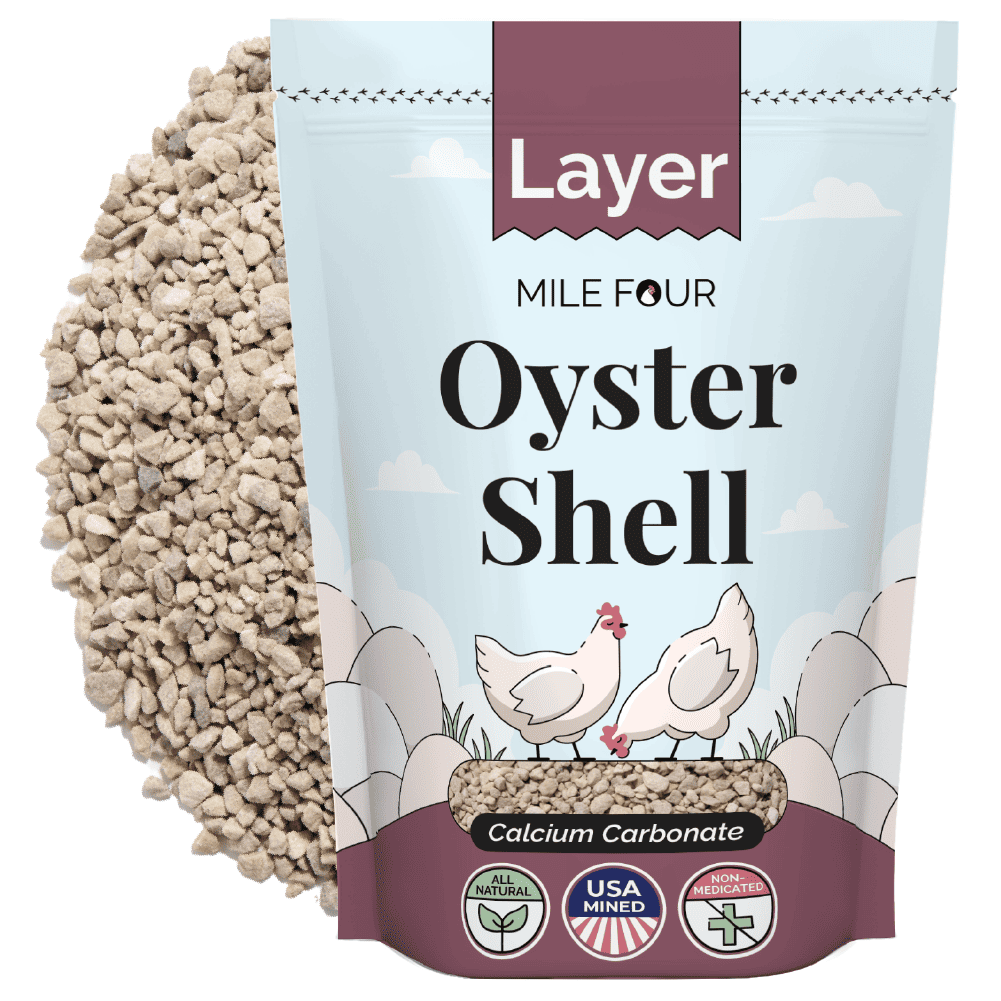
Offering oyster shell free-choice supports strong shells, especially during long laying cycles.
Cuckoo Marans Health Issues & Care
Cuckoo Marans are generally hardy birds with few breed-specific health concerns. Their strong legs and moderate weight help reduce joint issues seen in heavier breeds.
They tolerate a wide range of climates and perform well in both free-range and enclosed environments when given adequate space.
Cuckoo Marans Temperament
Cuckoo Marans are alert, observant birds that balance curiosity with calm behavior. They are often among the first to investigate changes in their environment.
They typically integrate well into mixed flocks and occupy a middle position in the pecking order, making them compatible with a wide range of breeds.
Feeding Cuckoo Marans Chickens
Cuckoo Marans developed as practical farm birds, and their feeding needs reflect that background. They tend to forage well when given space and maintain body condition without needing high-output rations. Their egg production is steady rather than extreme, so nutrition should focus on consistency and balance rather than pushing for maximum yield.
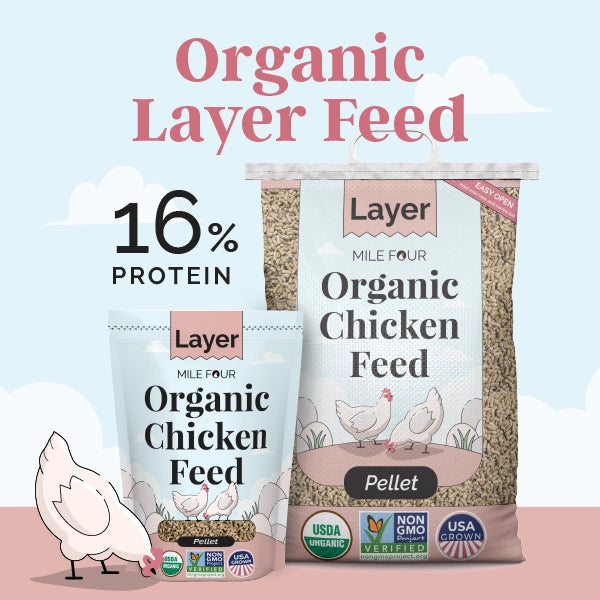
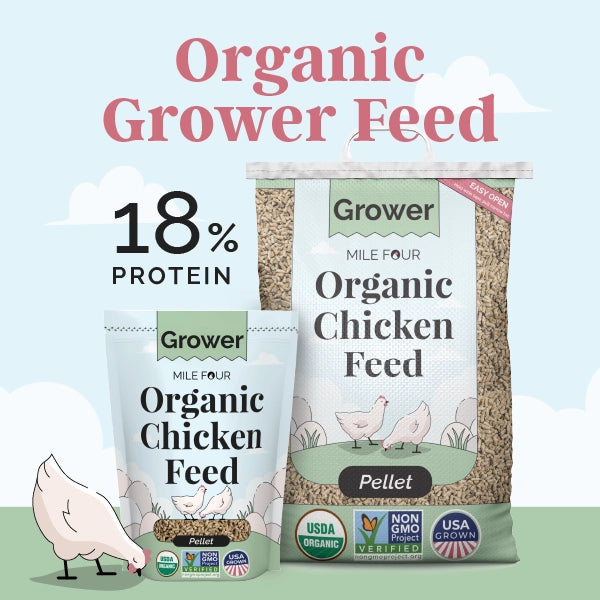
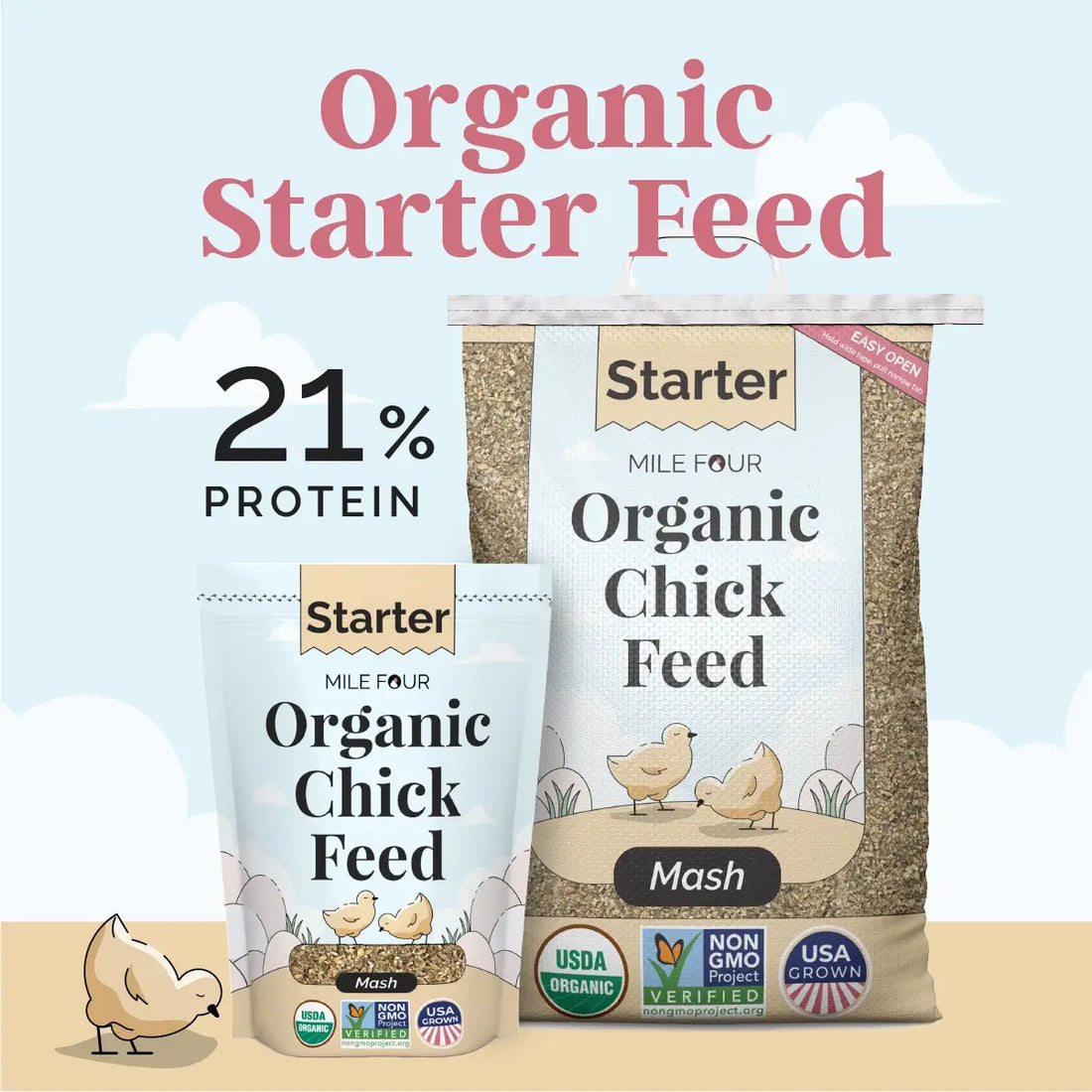
Many keepers opt for USDA-certified Organic, Non-GMO feed to support overall health, feather quality, and shell strength over the long term. Mile Four sources its ingredients from US family farms, emphasizing traceability and ingredient quality instead of relying on fillers or byproducts. This approach aligns well with Marans, which respond best to clean, straightforward nutrition.
Mile Four’s Organic Chicken Feed Kits follow a chicken’s natural progression from chick to laying hen, helping ensure nutritional needs are met at each stage of growth. Once Cuckoo Marans begin laying.
Coop & Run Size for Cuckoo Marans
Cuckoo Marans require approximately 4 square feet per bird inside the coop and 10–15 square feet per bird in the run. They appreciate space to forage and explore.
Roosts and nesting boxes should be sturdy and well spaced, especially if birds are feather-legged.
Pros & Cons of Cuckoo Marans Chickens
| Pros | Cons |
|---|---|
| Hardy and adaptable | Eggs lighter than Black Copper Marans |
| Steady, reliable egg production | Color contrast less dramatic than other barred breeds |
| Good for mixed flocks | Some lines lack feathered legs |
| More available than other Marans varieties | Egg color varies by lineage |
Cuckoo Marans FAQs
Are Cuckoo Marans good for beginners?
Yes. Their hardiness and calm temperament make them suitable for beginners.
Do Cuckoo Marans lay dark eggs?
They lay brown eggs, though typically lighter than Black Copper Marans.
How do Cuckoo Marans differ from Barred Plymouth Rocks?
They share a barred appearance, but Cuckoo Marans are heavier and lay darker eggs.
Are Cuckoo Marans cold hardy?
Yes. They perform well in both cold and moderate climates.
Do Cuckoo Marans need special care?
No special care beyond standard housing and nutrition is required.
Marans are prized for their rich egg color, and steady nutrition is what keeps that pigmentation and shell strength consistent. Mile Four Oyster Shell rounds that out → Discover Organic Oyster Shell.
Sources
American Poultry Association, Standard of Perfection.
Marans Club of America reference materials.
Penn State Extension, backyard poultry management publications.
University of Minnesota Extension, poultry breed and egg production resources.