
Red Sex-Link chickens are one of the most popular hybrid laying chickens in backyard flocks across the United States. Known for their excellent egg production, early maturity, & calm temperament, Red Sex-Links are bred specifically for efficiency & ease of keeping. Unlike standard breeds, Red Sex-Links are hybrid crosses designed so chicks can be sexed by color at hatch.
This makes them especially appealing to new chicken keepers & those focused on egg production. In this guide, we focus on Red Sex-Link chickens, their genetic background, what makes them different from heritage breeds, & what to expect when raising them.
Quick Chick(en) Facts
| Origin | Hybrid (United States) |
| Colors | Red or reddish-brown |
| Weight | Hens: ~5.5–6.5 lb |
| Lifespan | 3–5 years |
| Rate of Lay/yr | ~280–320 eggs |
| Egg Size | Large |
| Egg Color | Brown |
| Heat Hardy | Good |
| Cold Hardy | Moderate |
| Broodiness | Low |
| Disease Susceptibility | Generally hardy; production strain |
| Temperament | Friendly, calm, easygoing |
| Beginner Friendly | Yes |
Quick Jump
- Appearance of Red Sex-Link Chickens
- History of Red Sex-Link Chickens
- Red Sex-Link Chickens for Sale
- Red Sex-Link Egg Laying
- Red Sex-Link Health Issues & Care
- Red Sex-Link Temperament
- Feeding Red Sex-Link Chickens
- Coop & Run Size for Red Sex-Links
- Pros & Cons of Red Sex-Link Chickens
- Red Sex-Link FAQs
Appearance of Red Sex-Link Chickens
Red Sex-Link hens are typically reddish-brown or deep chestnut in color, sometimes with lighter feathering around the neck or tail. Their appearance can vary depending on the exact parent breeds used in the cross.
They have a medium build, clean legs, & a practical, no-frills body type. Compared to heritage breeds, Red Sex-Links are bred more for function than uniform appearance.
History of Red Sex-Link Chickens
Red Sex-Link chickens are not a true breed but a hybrid cross developed for commercial & backyard egg production. They are created by crossing a red-colored breed, such as a Rhode Island Red or New Hampshire Red, with a white or silver-based breed like a White Plymouth Rock.
The result is a sex-linked chick, meaning males & females hatch with different coloring. This allows hatcheries to identify pullets at hatch, making Red Sex-Links widely available & extremely popular.
Red Sex-Link Chickens for Sale
Red Sex-Links are widely available from hatcheries & farm supply stores & are often sold as production layers. Availability usually begins early in the spring & extends through the warmer months.
Because they are hybrids, Red Sex-Links are not typically sold by specialty breeders & are rarely bred intentionally by backyard keepers.
Red Sex-Link Egg Laying
Red Sex-Link hens are prolific layers, producing approximately 280–320 large brown eggs per year. They often begin laying earlier than heritage breeds, sometimes as early as 18–20 weeks.
Egg production is strongest during the first two to three years, after which output may decline more noticeably than in heritage breeds.
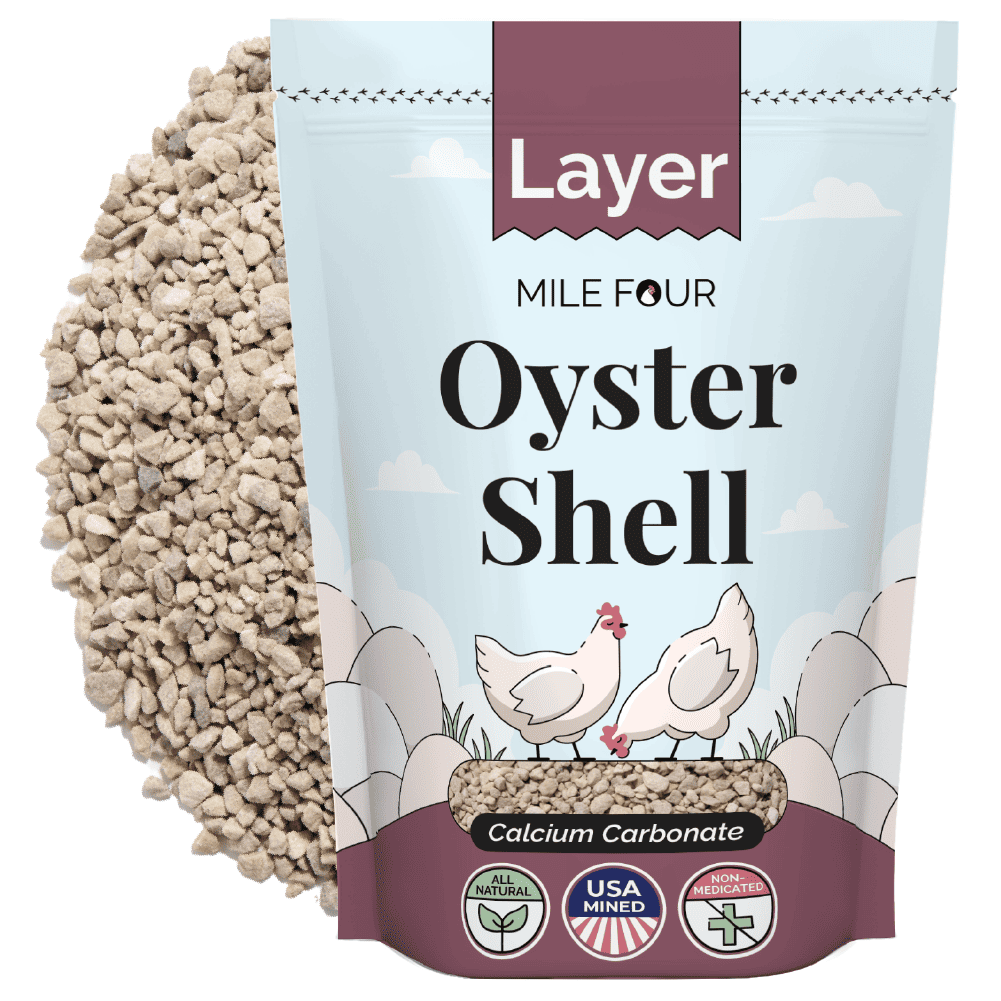
Providing oyster shell free-choice helps maintain shell strength during peak production.
Red Sex-Link Health Issues & Care
Red Sex-Links are generally hardy birds, but their high production levels can place greater strain on their bodies over time. Maintaining good nutrition & avoiding overproduction stress is important.
They perform well in most climates but benefit from shade & airflow during hot weather, especially when laying heavily.
Red Sex-Link Temperament
Red Sex-Links are known for their calm, friendly demeanor. They are curious without being aggressive & often become comfortable around people quickly.
They typically rank low to mid-range in the pecking order & integrate well into mixed flocks.
Feeding Red Sex-Link Chickens
Red Sex-Links are bred for high egg output, which places consistent nutritional demands on their bodies. Feeding should prioritize steady access to quality protein, calcium, & energy rather than fluctuating rations.
Many keepers choose USDA-certified Organic, Non-GMO feed to support overall health during extended laying cycles. Mile Four sources ingredients from US family farms, focusing on ingredient quality..
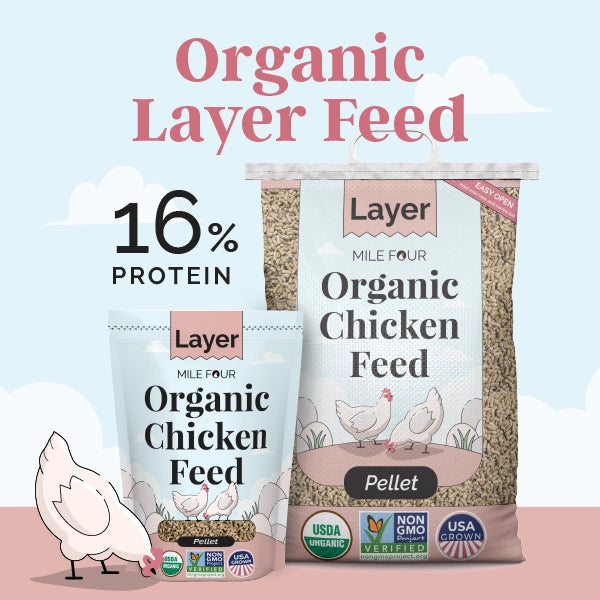
Mile Four’s Organic Chicken Feed Kits provide structured, age-appropriate nutrition from chick stage through adulthood. When hens are actively laying, the included Organic Layer Feed supports ongoing egg production without relying on aggressive production boosters.
Coop & Run Size for Red Sex-Links
Red Sex-Links require approximately 3–4 square feet per bird inside the coop & 8–10 square feet per bird in the run. They adapt well to both free-range & enclosed systems.
Standard roosts & nesting boxes are sufficient, though nesting boxes should be plentiful given their frequent laying.
Pros & Cons of Red Sex-Link Chickens
| Pros | Cons |
|---|---|
| Very high egg production | Shorter productive lifespan |
| Early maturity | Not a true breed |
| Easy to care for | Declining output after a few years |
| Great for beginners | Less suited for breeding |
Red Sex-Link FAQs
Are Red Sex-Links good for beginners?
Yes. Their calm temperament & high productivity make them ideal for new keepers.
Can Red Sex-Links be bred?
No. As hybrids, they do not breed true.
How long do Red Sex-Links lay eggs?
They lay heavily for 2–3 years before production declines.
Do Red Sex-Links lay in winter?
Yes. They often continue laying with proper nutrition & daylight.
Are Red Sex-Links the same as Golden Comets?
They are similar hybrid layers, though parent crosses may differ slightly.
Red Sex-Links are bred for high-volume egg production, and that kind of output needs feed built to keep pace. Mile Four Layer Feed is designed for exactly that → Discover Organic Layer Feed.
Sources
University of Florida IFAS Extension, poultry hybrid production resources.
Penn State Extension, backyard poultry management publications.
American Poultry Association reference materials.
University of Minnesota Extension, egg production & layer health resources.