

Combs are getting redder. One of them did the squat yesterday. The nest box has been rearranged twice this week.
The flock is telling you something. The question is whether the feed is ready too.
Get the timing right and shells come out strong from day one. Wait too long and a laying hen starts pulling calcium from her own skeleton to build each egg. Switch too early and the calcium load can damage kidneys that are not ready for it yet.
There is a window. Here is how to find it.
Why the Feed Has to Change at Point of Lay
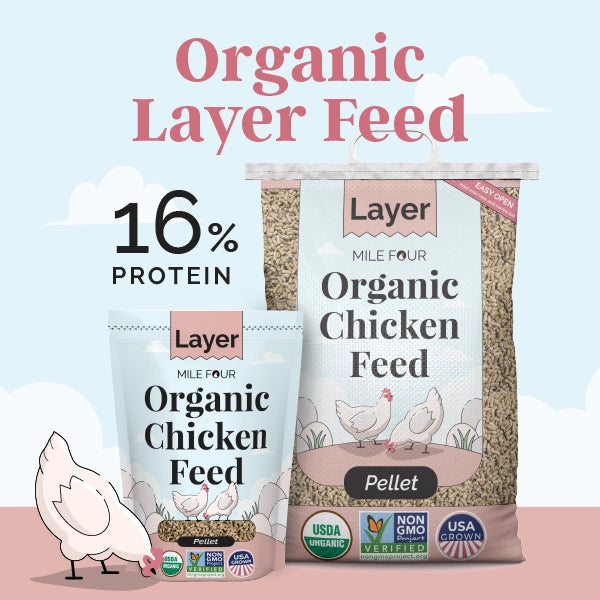
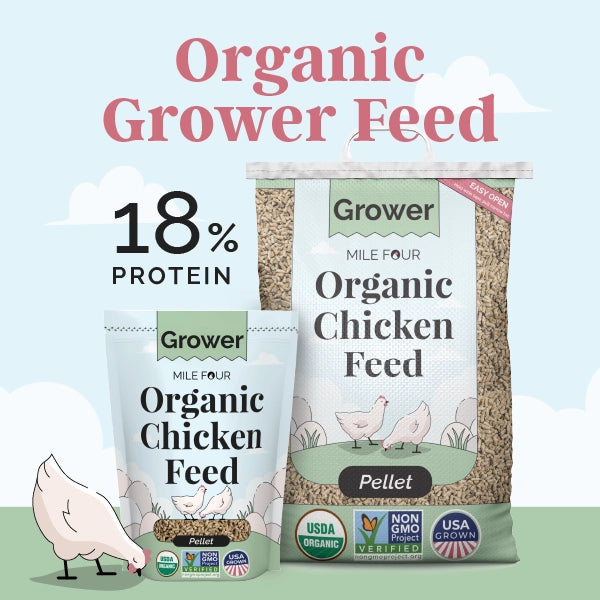
Grower feed carries 0.20-1.50% calcium. That is the right amount for building bone during the growing phase. Layer feed carries 3.10-4.50% calcium. That is the right amount for building an eggshell.
Each egg pulls roughly 2 grams of calcium to form its shell. A hen laying five or six eggs a week is cycling through significant calcium every single day. If the feed is not providing it, the body goes looking elsewhere. That means bone.
The switch is not about age on a calendar. It is about matching the feed to what the body is actually doing.
The Signs That Tell You It is Time
Most production breeds reach point of lay between weeks 18-21. The 21-Week Feed Plan puts the transition at weeks 19-20, with a gradual mix-in until reaching 100% Layer Feed by week 21. That timing holds for most flocks. But age alone is not the full picture.
Watch for these physical signs alongside the calendar:
Comb & wattles reddening. A pullet approaching point of lay shows a noticeably brighter, fuller comb, almost waxy looking. Increased blood flow & hormonal shifts as the reproductive system matures drive this. It typically appears a few weeks before the first egg.
The submissive squat. When a pullet crouches low and holds still as you approach, wings slightly dropped, that is the clearest single sign she is within a week or two of laying. Instinctive posture. Hormones have shifted.
Nest box curiosity. Pullets approaching lay start walking into the nest boxes, rearranging bedding, sitting. They are practicing. It usually starts before the first egg shows up.
Pelvic bone separation. Hold a pullet gently and feel for the two pelvic bones near the vent. In a pre-lay bird they sit close together, maybe one finger width apart. In a hen approaching lay, there is noticeably more space, two to three fingers wide. This is one of the most reliable checks available and takes about ten seconds.
When two or three of these signs are present & the flock is approaching weeks 18-20, start the transition. Do not wait for an egg in the box to confirm what the bird's body is already telling you.
What Happens If You Wait Too Long
A hen laying on Grower Feed does not stop laying because the calcium is not there. She pulls it from her bones instead.
The shells that come out first may look thin, rough, or soft. Production may be uneven as the body tries to compensate. Over time, calcium depletion from the skeleton leads to osteoporosis & fractures, particularly in high-producing breeds. It starts with the first eggs laid without enough dietary calcium to cover the cost.
Some quirky early eggs are normal regardless of feed timing. The First Eggs guide covers what is actually normal in those first few weeks. The difference worth knowing: a new layer working out the kinks in her system is one thing. A hen consistently short on calcium because the feed has not kept up is another.
Why Switching Too Early Is Just as Bad
Layer feed is high in calcium because laying hens need high calcium. A pullet whose kidneys are not mature yet cannot process that load the same way.
Research on avian urolithiasis (visceral gout) documents that excess dietary calcium fed to immature pullets can cause serious kidney damage. The condition progresses silently. Birds can appear healthy & continue developing with no visible symptoms until significant renal function is already lost.
It is one of the documented causes of elevated mortality in pullet flocks switched to layer feed too early: feed errors, overeager transitions, mixed-flock setups where pullets had unrestricted access to the wrong feed.
The lower calcium in Grower Feed is intentional. It protects kidney function during the development phase so the hen can handle higher calcium once she actually needs it.
Week 14 is too early. Week 16 is too early for most breeds. The window is weeks 18-21, guided by the physical signs above.
How to Make the Switch
A cold switch overnight can cause digestive upset & feed refusal. Gradual is better.
Start at roughly 75% Grower / 25% Layer for the first few days. Move to 50/50. By days ten to fourteen, the flock should be on 100% Layer Feed.
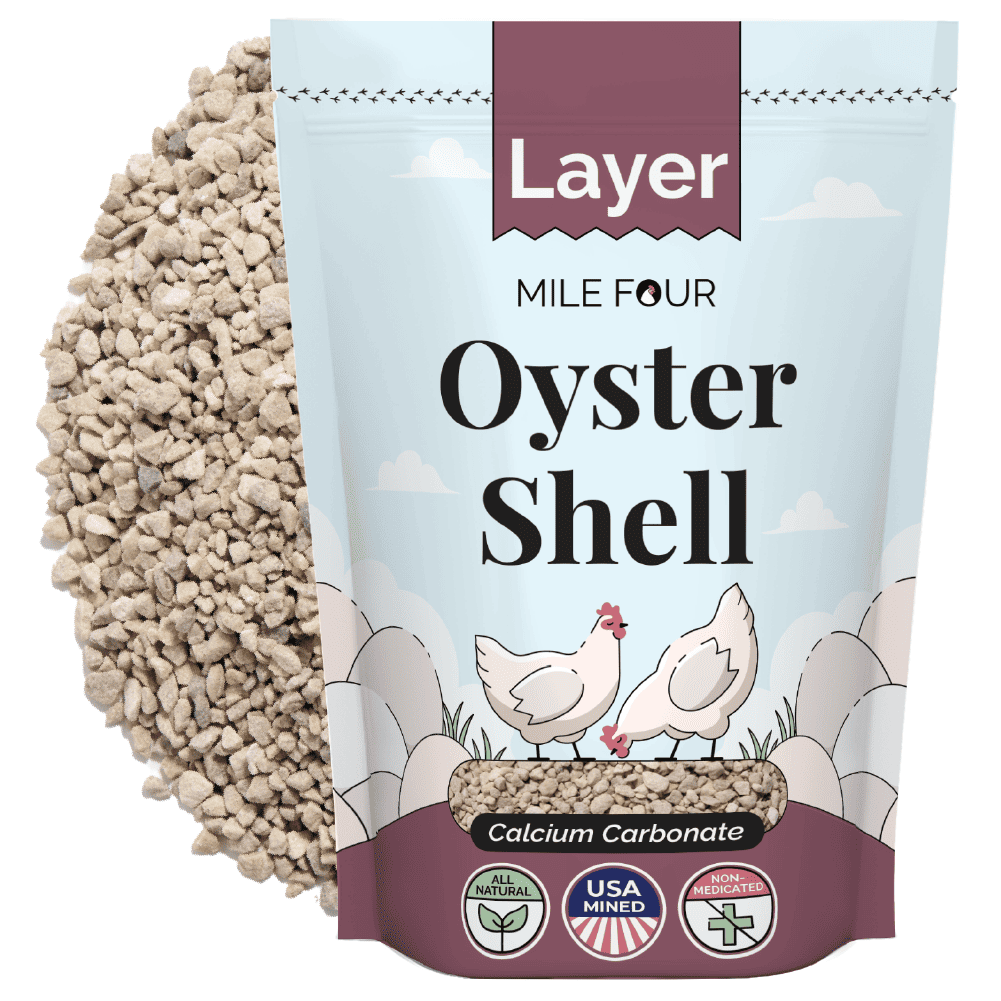
Keep Oyster Shell available free choice in a separate container throughout the transition & beyond. Hens self-regulate & eat what their body needs. Useful in those first weeks of laying when calcium demand is high & feeding patterns are still settling.
If the flock is mixed age with birds at different stages, the approach is different. See the guide on feeding a mixed-age flock.
The Exception: Heritage & Late-Maturing Breeds
Heritage breeds, dual-purpose breeds, & larger birds like Brahmas, Dominiques, & Buckeyes often do not reach point of lay until weeks 24-28. Ameraucanas can hold off past 30 weeks.
For these birds, the 21-week calendar is a starting point, not a deadline. The physical signs are more reliable than the date. A Brahma at week 22 showing none of the signs stays on Grower. Rushing the switch to clear a bag is not worth the kidney risk.
Layer Feed starts when laying starts, not when the calendar says it should.
If the flock is ready to make the switch, the Layer Kit has everything needed from this point forward.
New to Mile Four? Organic feeds milled fresh from USA-grown grains, available in mash, pellet, & whole grain.
Sources:
The Poultry Site - Avian urolithiasis (visceral gout) overview; excess calcium in immature pullets linked to kidney damage and gout mortality (thepoultrysite.com)
Hyline Technical Update - Visceral gout in pullets; calcium management guidelines for rearing diets; phosphorus as kidney-protective agent (hyline.com)
Hendrix Genetics - Feeding rearing pullets excess calcium before 14 weeks causes kidney damage; pre-lay calcium transition timing guidelines (layinghens.hendrix-genetics.com)
PoultryDVM - Diet-related gout: feeding high-calcium diets (>1.2% calcium) to non-laying birds including pullets linked to kidney damage (poultrydvm.com)
Guo X, Huang K, Tang J. - Clinicopathology of gout in growing layers induced by high calcium and high protein diets; British Poultry Science (2005); peer-reviewed study documenting visceral gout pathology from excess dietary calcium in pullets
University of Georgia Cooperative Extension - Calcium requirements for laying hens; eggshell formation and calcium cycling in backyard poultry
Merck Veterinary Manual - Nutritional requirements of poultry; calcium metabolism and skeletal depletion in laying hens on calcium-deficient diets
Meyer Hatchery Blog - Physical signs of point-of-lay in pullets; comb reddening, submissive squat, nest box exploration, pelvic bone separation (meyerhatchery.com)
Veterinary Disclaimer: This content is for general educational purposes only and does not constitute veterinary advice. If a bird in the flock appears ill, is showing signs of pain, or has stopped laying unexpectedly, consult a licensed poultry veterinarian. Kidney damage from dietary calcium imbalance may not produce visible symptoms until significant damage has already occurred.