
Blue Australorp chickens are a popular color variety of the Australorp breed, valued for their calm temperament, efficient egg production, and slate-blue plumage. While Black Australorps are world-famous for record-setting egg numbers, Blue Australorps offer a more visually distinctive option while retaining much of the breed’s practical productivity.
As an Australorp variety, they share the same balanced body type, steady laying habits, and adaptability to backyard environments. In this guide, we focus specifically on Blue Australorp chickens, how they differ from Black Australorps, and what keepers should realistically expect from this variety over time.
Quick Chick(en) Facts
| Origin | Australia (color variety developed later) |
| Colors | Blue (slate gray) |
| Weight | Hens: ~6.5 lb & Roosters: ~8.5 lb |
| Lifespan | 6–8 years |
| Rate of Lay/yr | ~220–260 eggs |
| Egg Size | Large |
| Egg Color | Brown |
| Heat Hardy | Good |
| Cold Hardy | Good |
| Broodiness | Low |
| Disease Susceptibility | Generally hardy |
| Temperament | Calm, steady, confident |
| Beginner Friendly | Yes |
Quick Jump
- Appearance of Blue Australorp Chickens
- History of Blue Australorp Chickens
- Blue Australorp Chickens for Sale
- Blue Australorp Egg Laying
- Blue Australorp Health Issues & Care
- Blue Australorp Temperament
- Feeding Blue Australorp Chickens
- Coop & Run Size for Blue Australorps
- Pros & Cons of Blue Australorp Chickens
- Blue Australorp FAQs
Appearance of Blue Australorp Chickens
Blue Australorps display a slate-blue to smoky gray plumage created by the blue dilution gene, which softens black pigmentation rather than replacing it entirely. Feather color can range from light steel tones to deeper charcoal shades.
Because the blue gene does not breed true, color variation is common, and some offspring may appear black or splash. Structurally, Blue Australorps retain the Australorp’s broad body, deep chest, and practical farm-bird shape.
History of Blue Australorp Chickens
The Australorp breed originated in Australia from imported Black Orpingtons that were selectively bred for improved egg production and efficiency. Over time, Australorps became known as one of the most productive brown egg layers in the world.
Blue Australorps were developed later as breeders introduced the blue gene into established Australorp lines. While they lack the historical egg-laying records of Black Australorps, they maintain much of the breed’s productivity and temperament.
Blue Australorp Chickens for Sale
Blue Australorps are less common than Black Australorps and are often offered seasonally by hatcheries or specialty breeders. Availability can vary depending on breeding stock and demand.
Some keepers choose breeder birds for more predictable coloration, while others select hatchery birds for general backyard production.
Blue Australorp Egg Laying
Blue Australorp hens lay approximately 220–260 large brown eggs per year. While this is slightly lower than the legendary output of Black Australorps, it remains high for a heritage-style bird.
Egg production tends to be steady and sustainable, supporting long-term health rather than short bursts of extreme output.
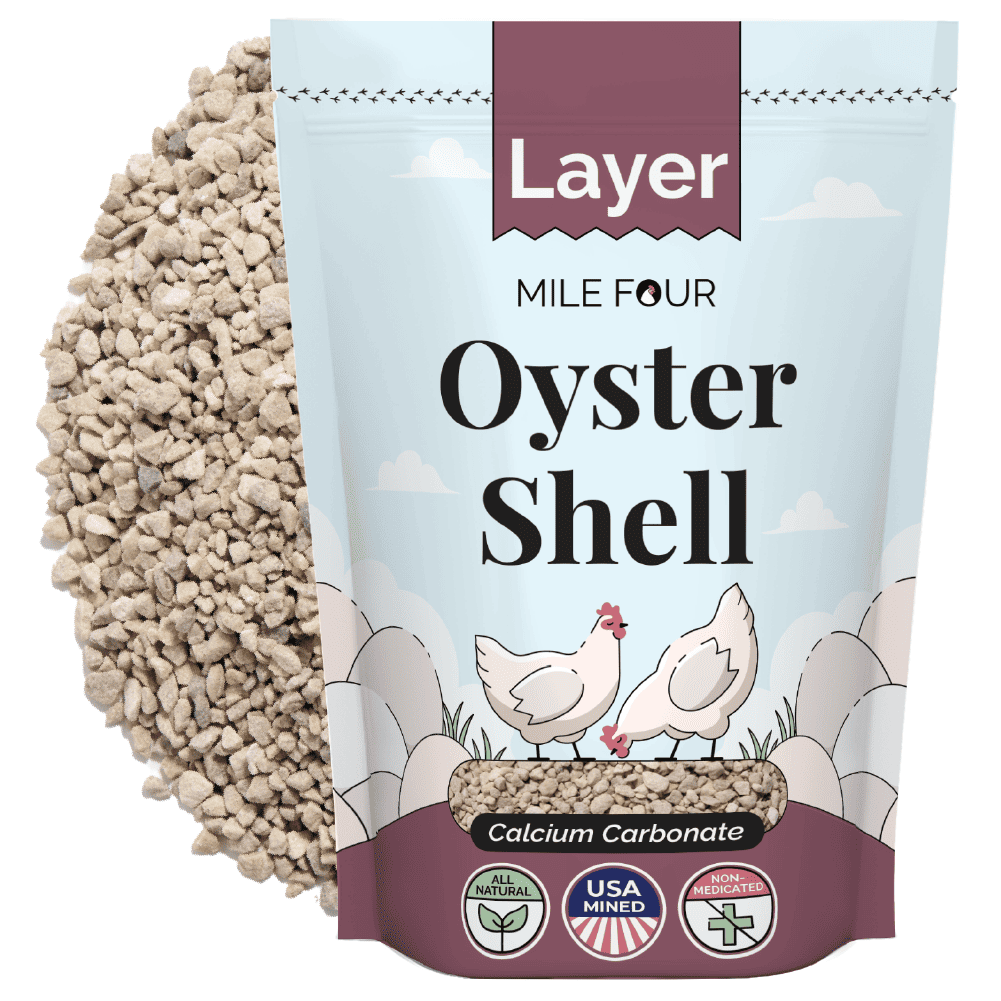
Providing oyster shell free-choice helps maintain strong shells during consistent laying cycles.
Blue Australorp Health Issues & Care
Blue Australorps are generally hardy with no significant breed-specific health issues. Their moderate size helps reduce joint stress compared to heavier dual-purpose breeds.
They tolerate both heat and cold reasonably well, though good ventilation and shade are important during hot weather.
Blue Australorp Temperament
Blue Australorps are calm, steady birds that tend to approach new situations with curiosity rather than anxiety. They are confident without being aggressive.
They usually integrate easily into mixed flocks and occupy a middle position in the pecking order, making them a low-drama addition to backyard setups.
Feeding Blue Australorp Chickens
Blue Australorps are efficient feed converters, a trait inherited from their Black Australorp ancestors. This efficiency supports consistent egg production without requiring excessive feed intake.
Many keepers choose USDA-certified Organic, Non-GMO feed to support steady production and long-term health. Mile Four sources ingredients from US family farms, focusing on traceability and ingredient quality rather than fillers or byproducts.
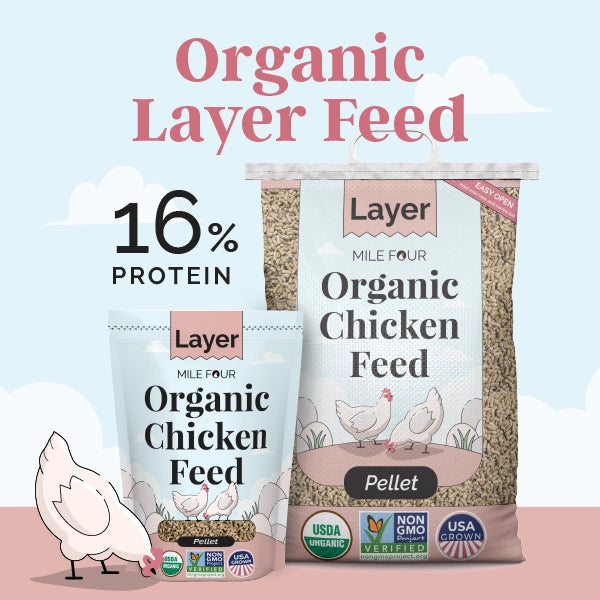
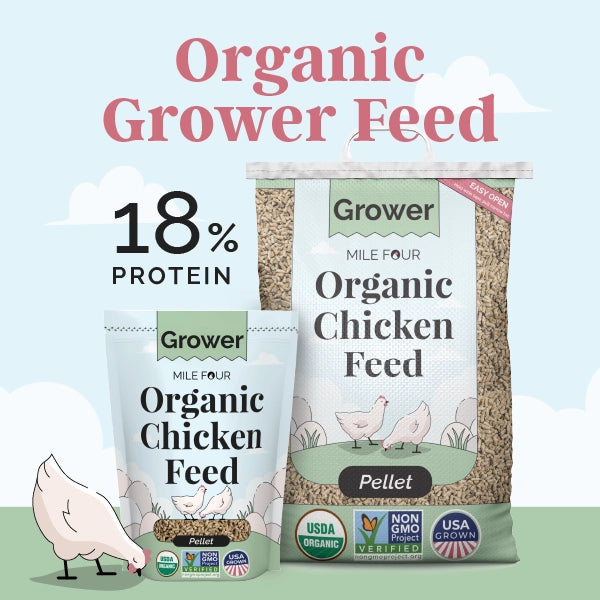
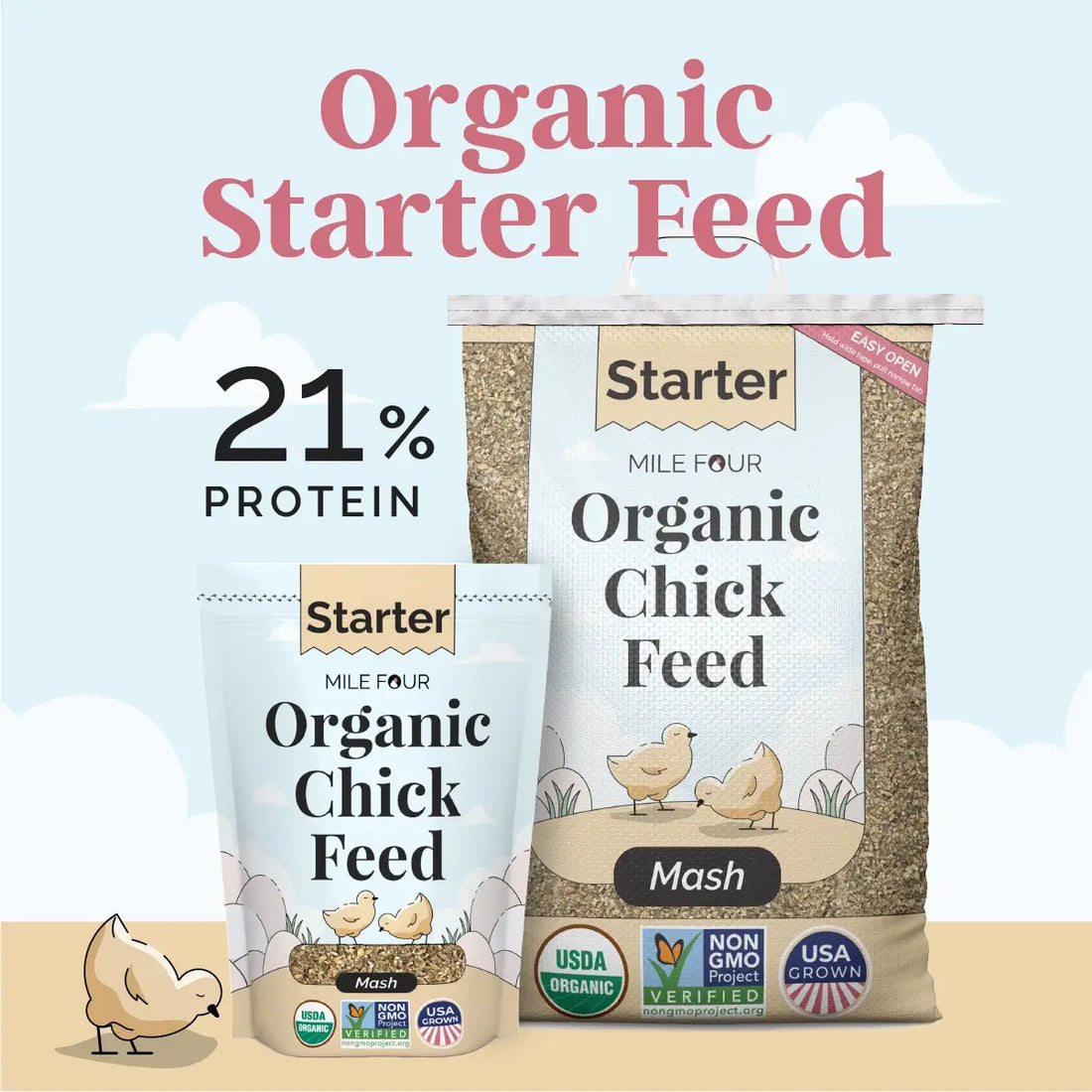
Mile Four’s Organic Chicken Feed Kits follow a chicken’s natural development from chick through laying age. Once hens are actively laying, the included Organic Layer Feed supports consistent egg production without pushing birds beyond their natural capacity.
Coop & Run Size for Blue Australorps
Blue Australorps require approximately 4 square feet per bird inside the coop and 10–15 square feet per bird in the run. They enjoy foraging but adapt well to enclosed runs.
Standard roosts and nesting boxes are sufficient. Their moderate size makes them easier to house than heavier breeds.
Pros & Cons of Blue Australorp Chickens
| Pros | Cons |
|---|---|
| Strong, steady egg production | Color does not breed true |
| Calm, adaptable temperament | Less common than Black Australorps |
| Good heat and cold tolerance | Slightly lower output than Black variety |
| Efficient feed conversion | Color variation by line |
Blue Australorp FAQs
How do Blue Australorps differ from Black Australorps?
They share temperament and productivity traits, but Blue Australorps typically lay slightly fewer eggs and show more color variation.
Do Blue Australorps lay eggs in winter?
Yes. They often continue laying through cooler months with proper nutrition.
Are Blue Australorps good for beginners?
Yes. Their calm nature and adaptability make them beginner friendly.
Why do some chicks hatch black or splash?
The blue dilution gene produces varied color outcomes.
Are Blue Australorps heat tolerant?
They tolerate heat reasonably well but benefit from shade and ventilation.
Australorps have set world laying records at over 300 eggs a year, and that output takes real nutrition to sustain. Mile Four Layer Feed supports exactly that → Discover Organic Layer Feed.
Sources
American Poultry Association, Standard of Perfection.
Australorp Club of America reference materials.
Penn State Extension, backyard poultry management publications.
University of Minnesota Extension, poultry breed and egg production resources.