
Lavender Wyandotte chickens are a modern and increasingly popular color variety within the Wyandotte breed, admired for their soft lavender-gray plumage, steady brown egg production, and calm, adaptable temperament. While classic Wyandotte varieties like Silver Laced remain more widely recognized, Lavender Wyandottes have gained attention among backyard keepers who want a visually distinctive bird without sacrificing practicality.
As a Wyandotte variety, they retain the breed’s rounded body shape, rose comb, and cold-hardy design. In this guide, we focus specifically on Lavender Wyandotte chickens while explaining their genetics, heritage, and how they compare to other Wyandotte varieties.
Quick Chick(en) Facts
| Origin | United States (color variety developed later) |
| Colors | Lavender (self-blue) |
| Weight | Hens: ~6.5 lb & Roosters: ~8.5 lb |
| Lifespan | 6–8 years |
| Rate of Lay/yr | ~180–240 eggs |
| Egg Size | Large |
| Egg Color | Brown |
| Heat Hardy | Moderate |
| Cold Hardy | Excellent |
| Broodiness | Low to Moderate |
| Disease Susceptibility | Generally hardy |
| Temperament | Calm, confident, friendly |
| Beginner Friendly | Yes |
Quick Jump
- Appearance of Lavender Wyandotte Chickens
- History of Lavender Wyandotte Chickens
- Lavender Wyandotte Chickens for Sale
- Lavender Wyandotte Egg Laying
- Lavender Wyandotte Health Issues & Care
- Lavender Wyandotte Temperament
- Feeding Lavender Wyandotte Chickens
- Coop & Run Size for Lavender Wyandottes
- Pros & Cons of Lavender Wyandotte Chickens
- Lavender Wyandotte FAQs
Appearance of Lavender Wyandotte Chickens
Lavender Wyandottes display a soft, uniform lavender-gray coloration created by the recessive lavender, or self-blue, gene. This gene evenly dilutes black pigment across each feather, resulting in a smooth, consistent tone rather than patchy or uneven coloring.
They share the Wyandotte breed’s rounded body, broad back, and dense feathering. Their rose comb sits low against the head, offering excellent protection from frostbite and reinforcing their suitability for colder climates.
History of Lavender Wyandotte Chickens
The Wyandotte breed was developed in the United States in the late 1800s through crosses involving Silver Spangled Hamburgs, Dark Brahmas, and Cochins. Breeders aimed to create a cold-hardy, dual-purpose chicken with a compact, efficient body.
Lavender Wyandottes emerged much later as breeders introduced the lavender gene into established Wyandotte lines. Because the gene is recessive, producing consistent lavender offspring requires careful breeding, which contributes to this variety’s limited availability.
Lavender Wyandotte Chickens for Sale
Lavender Wyandottes are less common than traditional Wyandotte varieties and are most often sourced from specialty breeders. Some hatcheries offer them on a limited or seasonal basis.
Availability typically peaks during spring chick season. Birds from dedicated breeders often show better color consistency than those from large-scale production.
Lavender Wyandotte Egg Laying
Lavender Wyandotte hens produce approximately 180–240 large brown eggs per year. Their egg production is steady and reliable, supporting long-term productivity rather than short-term peaks.
They often continue laying through colder months, aided by dense feathering and rose combs. Eggshells are typically strong and uniform when nutrition is balanced.
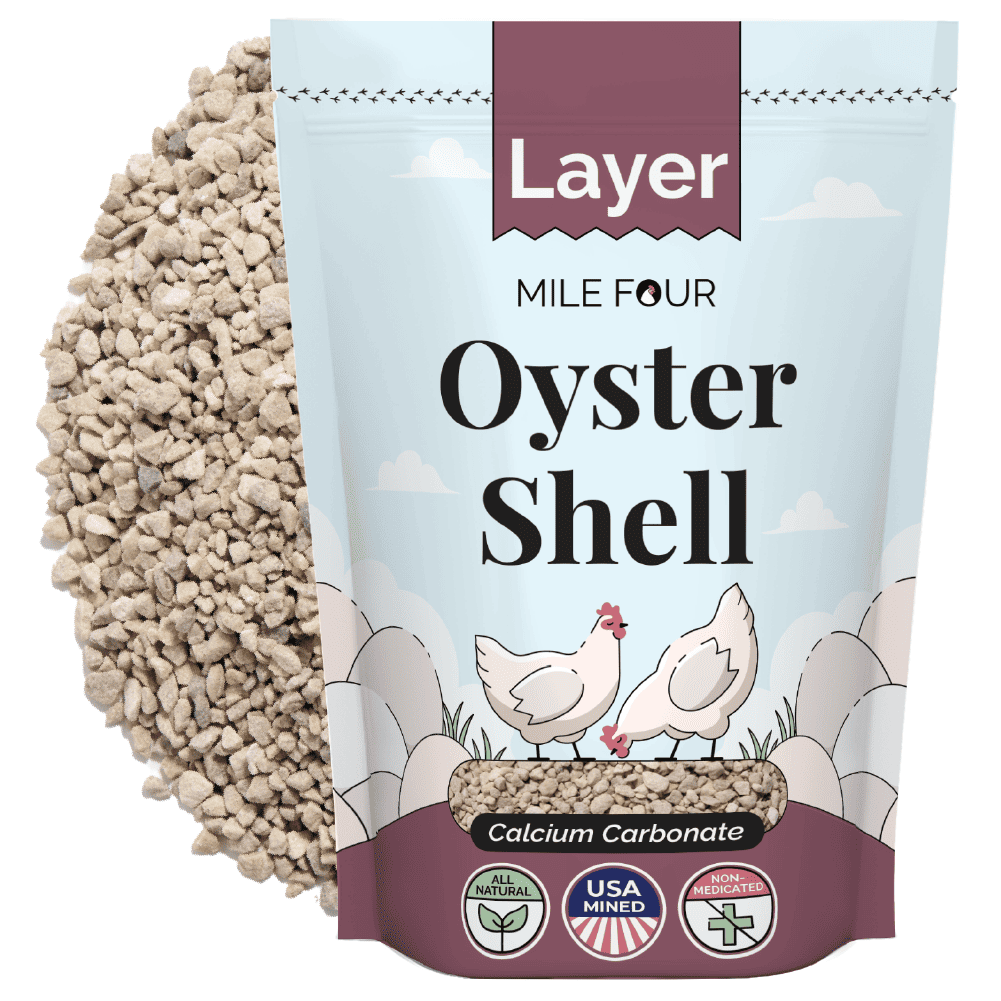
Providing oyster shell free-choice supports shell strength during extended laying cycles.
Lavender Wyandotte Health Issues & Care
Lavender Wyandottes are generally hardy birds with no major breed-specific health concerns. Their moderate size helps reduce joint stress compared to heavier breeds.
They excel in cold weather but benefit from shade and airflow during hot conditions. Clean housing and routine parasite management support overall health.
Lavender Wyandotte Temperament
Lavender Wyandottes are calm, confident chickens that balance friendliness with independence. They enjoy foraging and exploring but are not overly demanding of attention.
They typically occupy a middle position in the pecking order and integrate smoothly with other calm breeds such as Plymouth Rocks, Orpingtons, and Australorps.
Feeding Lavender Wyandotte Chickens
Lavender Wyandottes have a balanced, heritage-style metabolism that benefits from consistent, nutrient-dense feed rather than high-output formulations. Their moderate egg production places steady demands on protein and calcium without pushing birds beyond their natural pace.
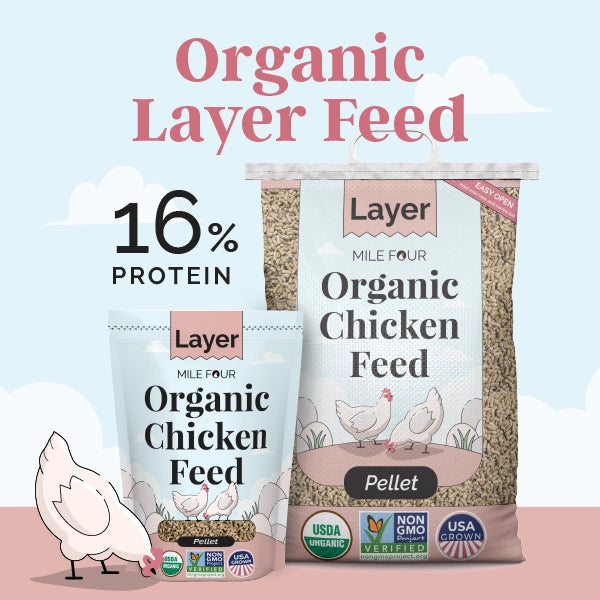
Many keepers choose USDA-certified Organic, Non-GMO feed to support long-term health and egg quality. Mile Four sources ingredients from US family farms, focusing on traceability and ingredient integrity rather than fillers or byproducts. Feeding according to life stage helps maintain feather quality, body condition, and shell strength as birds mature.
Mile Four’s Organic Chicken Feed Kits are structured to follow a chicken’s development from chick through laying age. Once hens are actively laying, the included Organic Layer Feed provides balanced nutrition that supports consistent egg production without forcing excessive output.
Coop & Run Size for Lavender Wyandottes
Lavender Wyandottes require approximately 4 square feet per bird inside the coop and 10–15 square feet per bird in the run. They enjoy foraging and adapt well to enclosed runs when space is adequate.
Standard roosts and nesting boxes are sufficient. Their rounded bodies and moderate size make them easy to house in most backyard coops.
Pros & Cons of Lavender Wyandotte Chickens
| Pros | Cons |
|---|---|
| Unique lavender coloration | Less common than standard varieties |
| Excellent cold hardiness | Moderate heat tolerance |
| Calm, adaptable temperament | Not a high-output layer |
| Reliable long-term egg production | Color consistency varies by line |
Lavender Wyandotte FAQs
Are Lavender Wyandottes good for beginners?
Yes. Their calm temperament and hardy nature make them suitable for beginners.
Why are Lavender Wyandottes harder to find?
The recessive lavender gene requires careful breeding, limiting large-scale availability.
Do Lavender Wyandottes lay eggs in winter?
Yes. They often continue laying through colder months.
How do Lavender Wyandottes differ from Silver Laced Wyandottes?
They share temperament and productivity, with feather color being the primary difference.
Do Lavender Wyandottes need special care?
No special care is required beyond standard housing and heat management.
Wyandottes keep laying steadily right through winter thanks to that frostbite-resistant rose comb, and consistent nutrition helps sustain that pace. Mile Four Oyster Shell supports strong shells through it → Discover Organic Oyster Shell.
Sources
American Poultry Association, Standard of Perfection.
Wyandotte Breeders of America Club reference materials.
Penn State Extension, backyard poultry management publications.
University of Minnesota Extension, poultry breed and egg production resources.